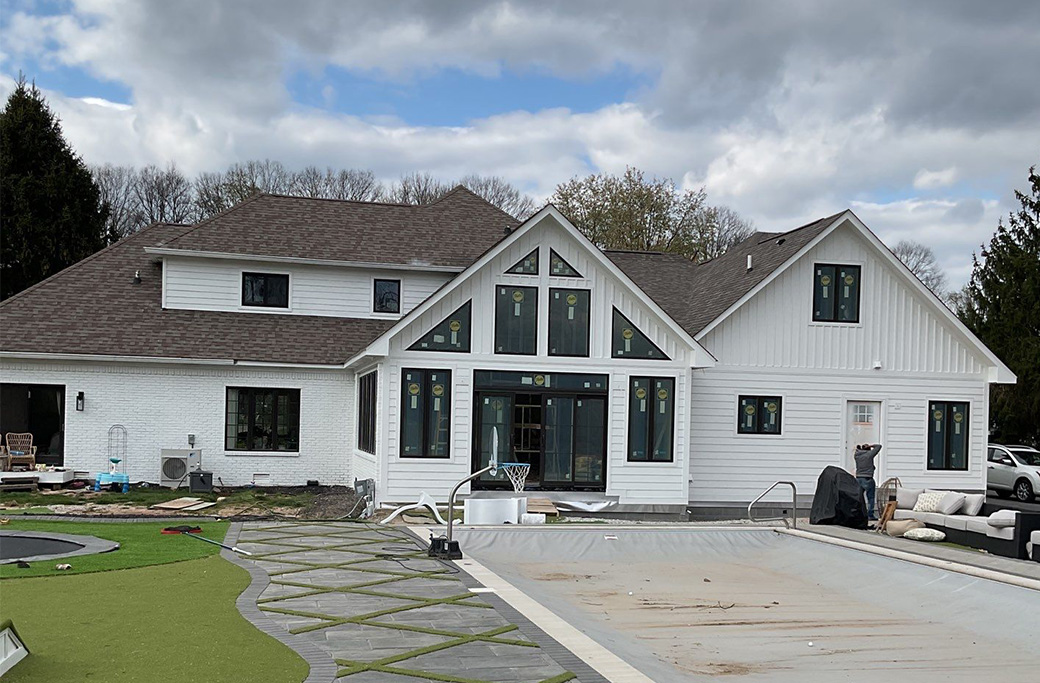
Exterior paint does more than just make your home look beautiful. It acts as the first line of defense against the elements, shielding your siding, trim, and structural materials from moisture, UV rays, and temperature fluctuations.
At Indiana Painting Company, we have spent over 25 years helping homeowners and businesses across Central Indiana protect their properties. We know that our local climate, with its humid summers, freezing winters, and frequent storms, presents unique challenges for exterior paint. Understanding how these environmental factors impact your paint job is fundamental for maintaining your home’s value and longevity.
Here is a breakdown of how temperature and humidity affect exterior paint and what you need to know to ensure a long-lasting finish.
Why Exterior Paint Protection Matters in Central Indiana
Many homeowners view painting as purely cosmetic, but its primary function is protection. A high-quality exterior paint job creates a barrier that seals your home against environmental threats.
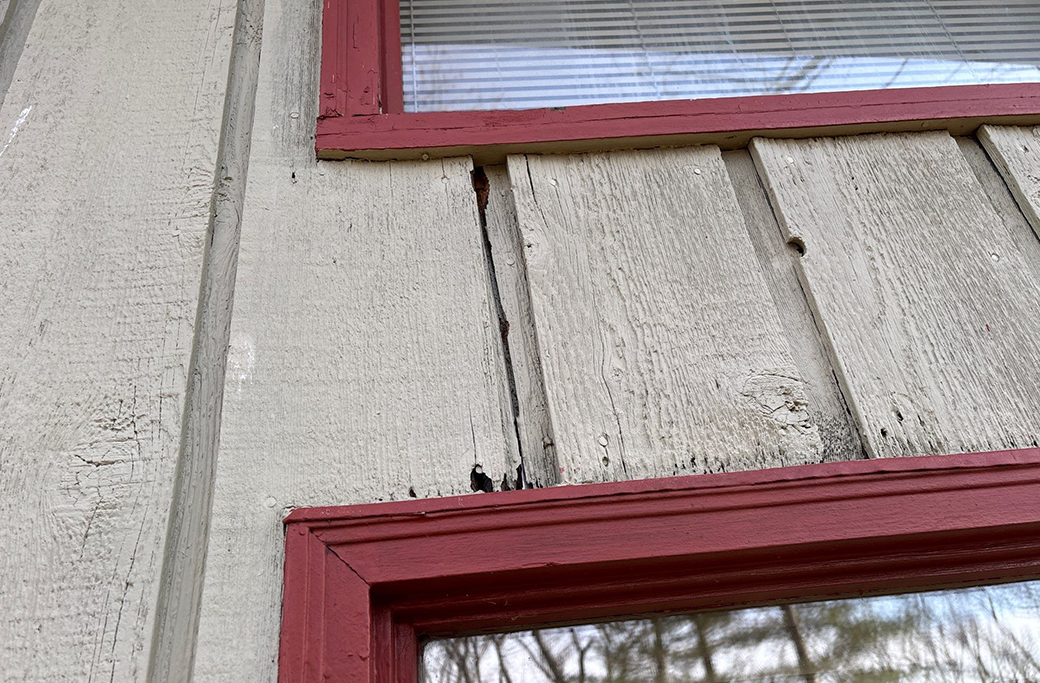
Without this protective layer, moisture can seep into wood and fiber cement siding, leading to rot, mold, and structural decay. UV rays from the sun break down the binders in paint, causing chalking and fading, while temperature swings cause materials to expand and contract.
Neglecting exterior paint can be costly. What starts as peeling paint can quickly escalate into damaged siding or water intrusion, requiring expensive repairs. By maintaining your home’s exterior, you are preventing these issues before they start.
Understanding Central Indiana’s Climate
To understand why paint fails, you first need to understand the environment it lives in. Central Indiana experiences a humid continental climate, which means we see it all: severe storms, high humidity, and distinct seasons.
Our summers are often hot and muggy, which can interfere with how paint dries and cures. Conversely, our winters are cold, bringing freeze-thaw cycles that test the flexibility and adhesion of any coating. Spring and fall offer relief, but come with their own challenges, primarily rain and fluctuating temperatures.
Due to these variables, timing is everything. A professional painter knows that successful exterior painting isn’t just about the application technique. It’s about navigating the local weather patterns.
How Temperature Affects Exterior Paint
Temperature plays a massive role in how paint behaves during application and how it performs long-term.
Painting in Extreme Heat
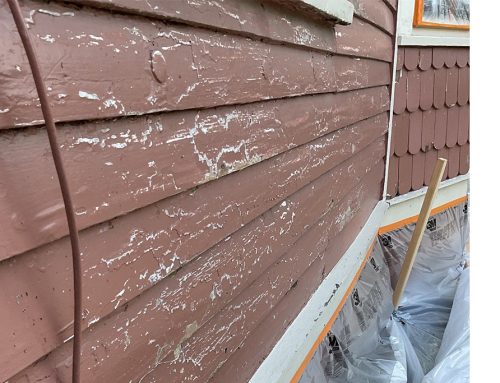
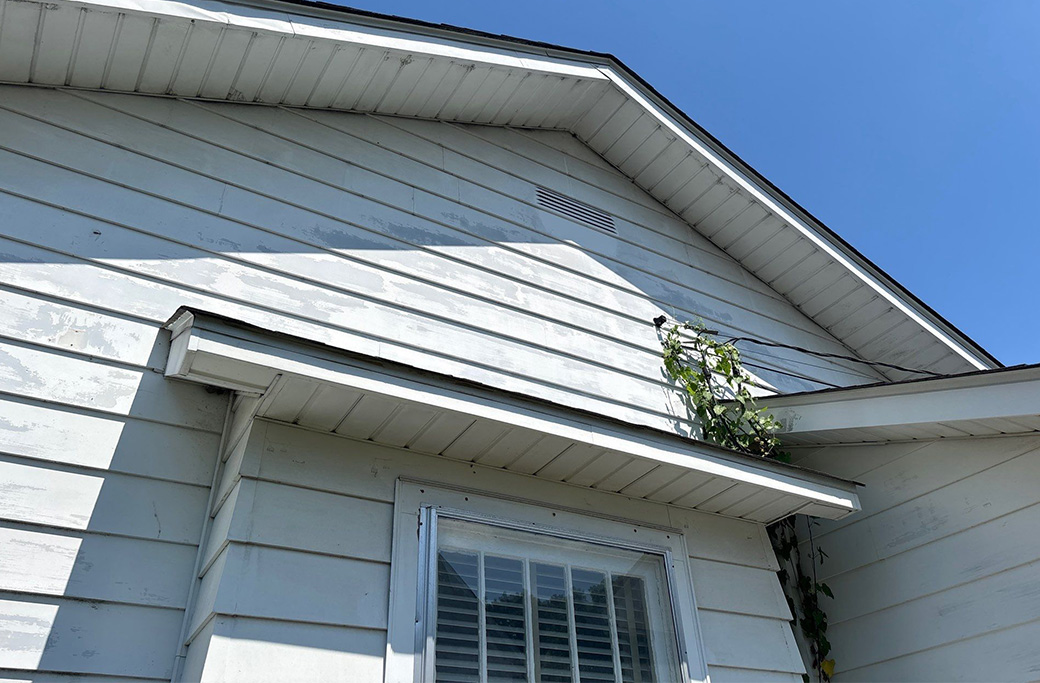
When it is too hot, paint dries too quickly. This rapid drying prevents the paint from leveling out properly, leading to visible brush marks (lap marks) and uneven texture. More importantly, if the solvents evaporate too fast, the paint film may not adhere correctly to the surface. This can result in blistering, bubbling, and premature cracking, as the paint fails to bond with the substrate.
Painting in Cold Temperatures
On the other end of the spectrum, cold weather slows down the curing process. If the temperature drops too low before the paint has fully cured, the film may not form a hard, protective shell. This makes the paint susceptible to moisture absorption, leading to peeling and failure. Most standard latex paints require temperatures to remain above 50°F (10°C) during application and drying, though some premium products are formulated for cooler application.
Ideal Temperature Range for Exterior Painting
For the best results in Central Indiana, we look for a specific window of opportunity. Ideally, temperatures should be between 50°F and 85°F. This range allows the paint to flow smoothly, level out, and cure at a consistent rate. This is why late spring, summer mornings, and early fall are typically the busiest seasons for exterior painting in our region.
How Humidity Impacts Exterior Paint Performance
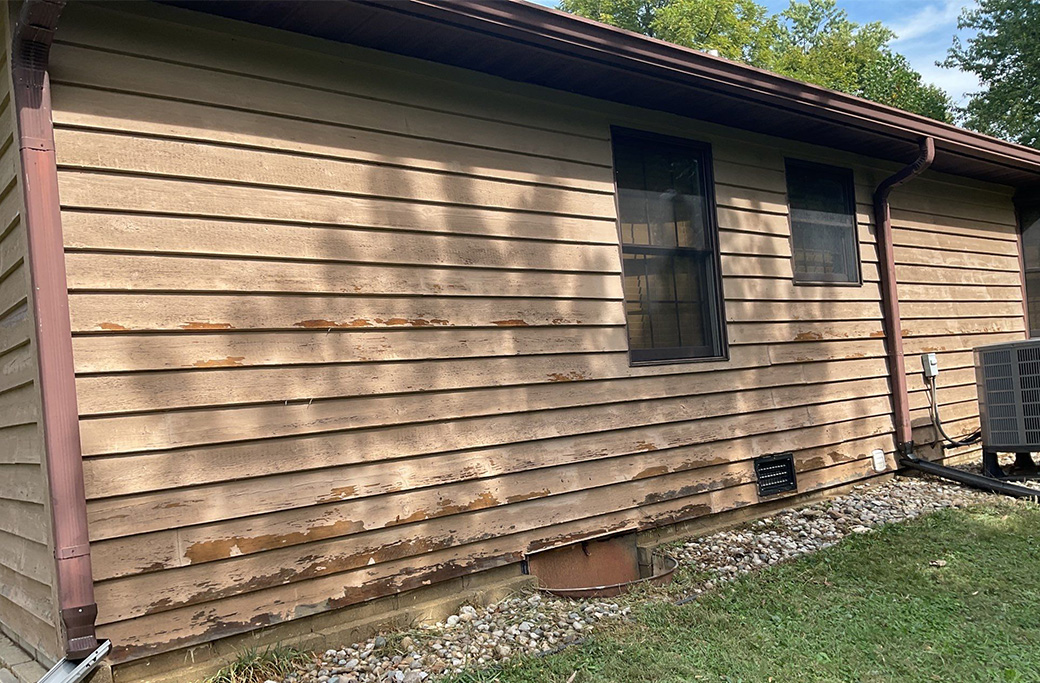
While temperature controls the speed of drying, humidity controls the evaporation of water from the paint.
High Humidity Challenges
High humidity means the air is already saturated with moisture. When you apply water-based latex paint in humid conditions, the water in the paint struggles to evaporate. This extends the drying time significantly.
If paint stays wet for too long, it becomes vulnerable to dust, debris, and insects. Furthermore, if a second coat is applied before the first has released all its moisture, water can get trapped between layers. This trapped moisture eventually tries to escape, causing the top layer to bubble or peel. High humidity can also encourage the growth of mildew and mold on the fresh paint film.
Moisture Penetration and Long-Term Damage
Humidity isn’t just an application issue; it’s a long-term threat. Wood is porous and hygroscopic, meaning it absorbs and releases moisture from the air. In humid Indiana summers, wood siding expands. In dry winters, it shrinks.
If your paint is not flexible enough to move with this expansion and contraction, it will crack. Once cracks appear, moisture penetrates the wood, leading to rot. This is why proper sealing and selecting a flexible, high-quality paint are vital steps in our process.
Seasonal Considerations for Exterior Painting
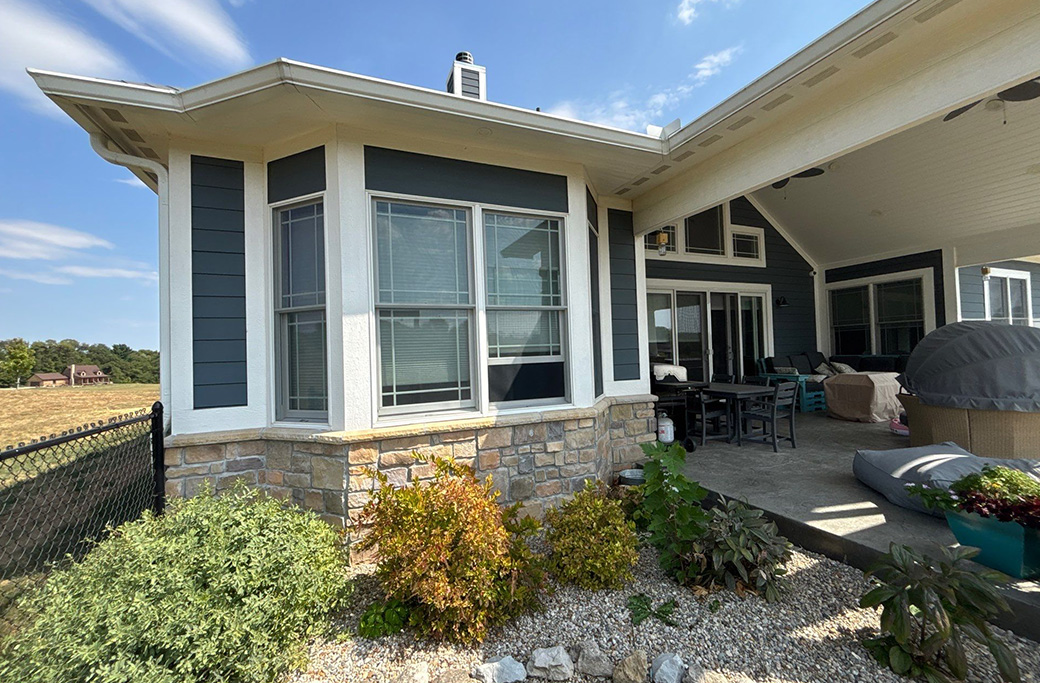
Knowing the “when” is just as important as the “how.”
-
- Spring: Spring is a popular time to paint, but it requires patience. Frequent rain means we must ensure the siding is completely dry before applying primer or paint. We monitor dew points and overnight low temperatures carefully.
- Summer: Summer offers longer days and warmer weather, making it excellent for painting. However, we avoid painting in direct sunlight during the hottest part of the day to prevent “flash drying.” We also keep a close eye on humidity levels.
- Fall: Early fall often provides the ideal balance of temperature and lower humidity. It is a race against the clock, however, as we need to finish projects before the first hard freeze.
- Winter: Generally, winter is not suitable for exterior painting in Indiana. The risk of freezing temperatures and snow makes it nearly impossible for paint to cure properly.
Choosing the Right Paint for Central Indiana Homes
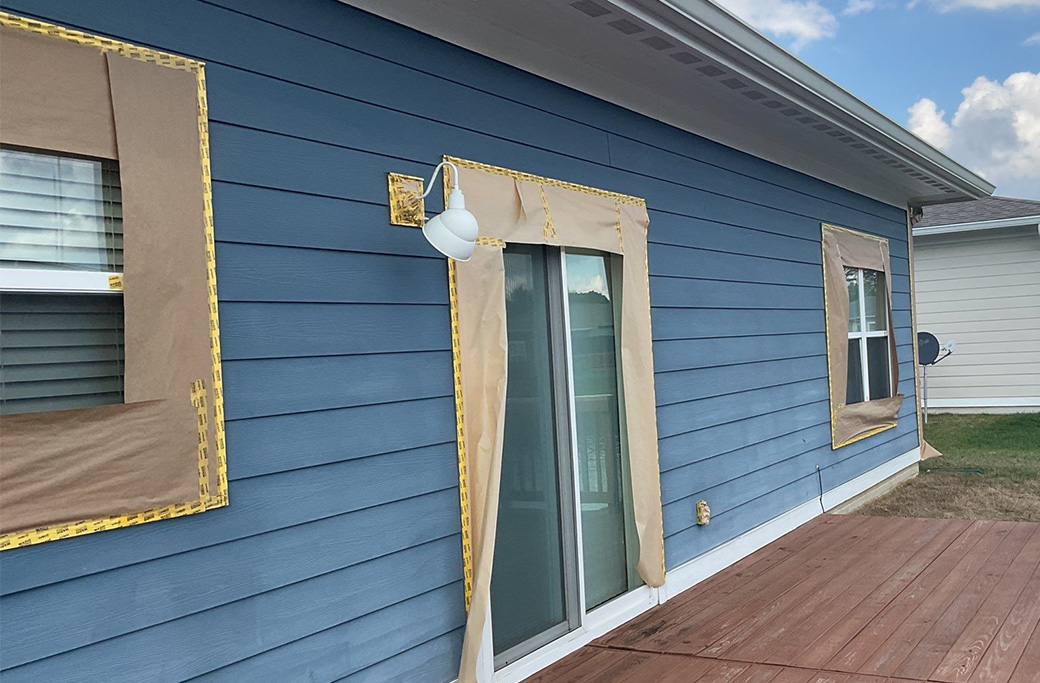
Not all paints are created equal. In our climate, cheap paint is a bad investment. It lacks the high-quality resins and pigments needed to withstand UV exposure and moisture.
We exclusively use premium products like Romabio, Behr Marquee, Benjamin Moore Regal Select Exterior, and PPG Permanizer. These commercial-grade paints are engineered for durability. They offer:
-
- Flexibility: They expand and contract with the siding, preventing cracking.
- UV Resistance: They hold their color longer and resist chalking.
- Moisture Resistance: They contain mildewcides and sealants that repel water.
Using the right product ensures that your home stays protected for years, rather than needing a repaint in just a few seasons.
Professional Preparation Makes the Difference
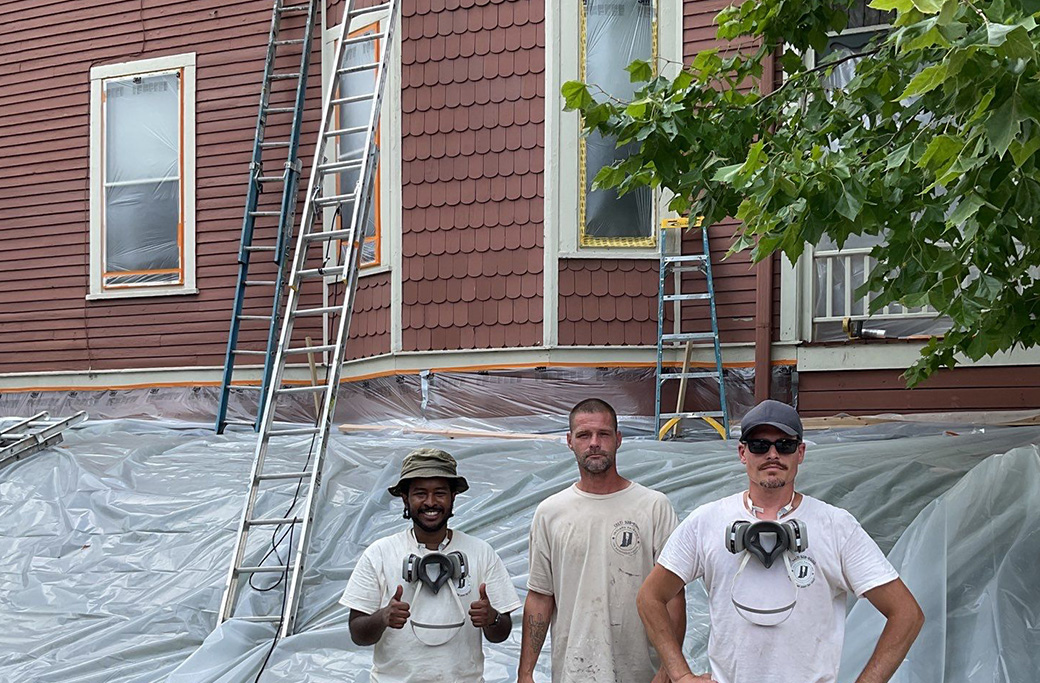
The most important step in painting isn’t the painting itself—it is the preparation. No matter how good the paint is, it will fail if the surface isn’t ready.
At Indiana Painting Company, our process includes:
-
- Cleaning: We pressure wash surfaces to remove dirt, mold, and chalky residue.
- Scraping and Sanding: We remove loose, peeling paint to create a smooth surface for adhesion.
- Priming: We spot-prime bare areas to seal the wood and provide a bonding surface for the topcoat.
- Caulking: We seal gaps and cracks to prevent moisture intrusion, using high-quality sealants like PPG Acri-Shield Exterior.
Professional preparation ensures that the paint bonds securely and provides the protective barrier your home needs.
Why Work with a Local Central Indiana Painting Company
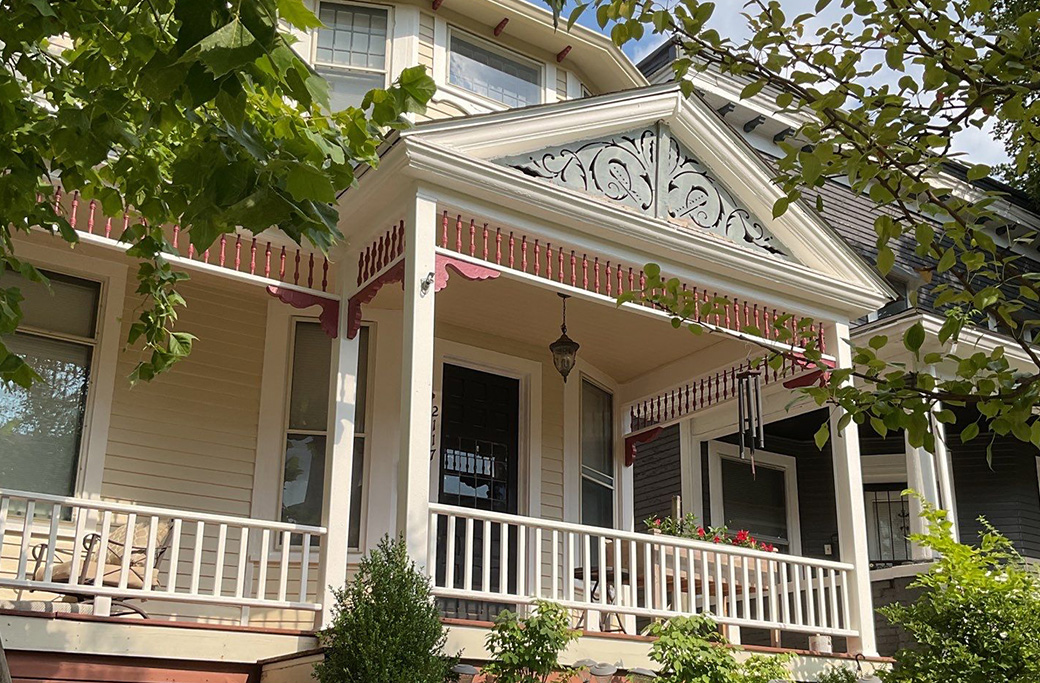
There is a distinct advantage to hiring a local team of painters. We live here, and we know the weather patterns intimately. We know that a house in an open field in Mooresville faces different wind exposure than a home in a shaded Indianapolis suburb.
We understand the specific building materials common in Indiana homes and how they age. When you hire Indiana Painting Company, you aren’t just getting a fresh look; you are getting a partner who understands how to protect your investment against the specific challenges of our environment. We back our work with solid warranties (up to 7 years for exterior projects) because we are confident in our process and products.
Protecting Your Central Indiana Home with Exterior Paint
Temperature and humidity are powerful forces, but with the right preparation, timing, and products, your home can withstand them. Exterior painting is more than a cosmetic upgrade; it is an essential maintenance task that safeguards your property.
Don’t wait until you see rotting wood or water damage. If your paint is fading, cracking, or peeling, it is time to act. Trust the team of painters who has been serving Central Indiana for over 25 years.
Ready to protect your home? Book your free estimate online with Indiana Painting Company today.