Many business owners do not think about repainting until their property starts showing obvious signs of wear—faded colors, chalky surfaces, peeling paint, or visible deterioration around trim and entryways. However, by the time these issues become noticeable, your building’s protective coating may already be compromised, leaving exterior surfaces vulnerable to moisture damage, weathering, and costly repairs.
Commercial painting is more than a cosmetic upgrade. It is an essential part of preventative property maintenance. A professionally maintained paint system helps protect your investment, reinforce your brand image, and create a polished, professional appearance for customers, tenants, and employees. However, there is no one-size-fits-all timeline. Factors such as building materials, Indiana’s seasonal weather, daily foot traffic, and your industry’s specific demands all influence how long commercial paint will last.
So, how often should commercial buildings be repainted? The answer depends on your property’s unique conditions. At Indiana Painting Company, we help businesses across Indiana develop customized painting and maintenance strategies designed to protect their buildings, extend surface life, and maintain a professional appearance year-round. With more than 20 years of experience, our team understands what it takes to keep Midwest commercial properties looking their best.
More Than Appearance: Why Timing Matters

First impressions directly influence customer confidence. When a potential client or tenant walks up to a well-maintained facility, they immediately associate that visual standard with the quality of your business. Faded, chipping, or outdated colors can unintentionally send the wrong message about your professionalism.
Beyond aesthetics, paint acts as your building’s first line of defense. Indiana weather is notoriously tough on commercial structures. Freeze-thaw cycles expand and contract building materials, creating microscopic stress fractures. High humidity introduces moisture, while summer UV exposure degrades pigments and breaks down chemical binders.
A timely commercial building repainting schedule prevents the deterioration of siding, stucco, metal, brick accents, and trim. Maintaining this protective envelope preserves your overall property value and keeps your business ahead of expensive repairs. Waiting too long often turns a simple repaint into a larger, far more costly restoration project.
Factors That Impact Commercial Painting Timelines
Several elements dictate the longevity of your commercial coatings. Understanding these factors helps you plan your commercial painting maintenance accurately.
Building Material
Different exterior surfaces age at different rates. Wood siding demands more frequent maintenance to prevent rot and moisture intrusion. Stucco is highly susceptible to cracking and water damage if the elastomeric coatings degrade. Metal surfaces require specialized direct-to-metal (DTM) applications to prevent fading and stop rust from taking hold. Painted brick typically lasts a long time, but its longevity depends heavily on the quality of the initial coating and proper masonry sealing.
Indiana Weather Conditions
The Midwest climate accelerates the wear and tear on commercial buildings. Constant freeze-thaw cycles cause substrates to shift, stressing the paint film until it eventually cracks. High humidity and heavy rain force water into any unprotected gaps. During the summer, intense UV rays fade vibrant colors and cause exterior finishes to turn chalky.
Foot Traffic and Daily Wear
The function of your facility dictates the physical stress placed on your painted surfaces. Busy retail storefronts experience constant customer traffic, leading to rapid wear around entrances and lower wall sections. Warehouses face heavy impacts from forklifts, machinery, and industrial contaminants. Office environments generally experience much less physical wear, allowing their interior coatings to last significantly longer.
Paint Quality and Surface Preparation
Bargain paints fail sooner because they lack the necessary chemical binders to withstand commercial use. High-quality, commercial-grade products from brands like Benjamin Moore Regal Select and PPG deliver superior durability. Proper surface preparation is equally as vital. Power washing, scraping, repairing damaged areas, and applying the correct primers extend the lifespan of the finish. Professional coatings applied by experienced technicians always outlast cheap alternatives.

How Often Should Different Commercial Buildings Be Repainted?
Office Buildings: Every 5–7 Years
Standard office building painting projects operate on a reliable five to seven-year cycle. These environments generally experience lower daily wear and tear. Maintaining a professional appearance is essential for employee morale and visiting clients. You might need to touch up high-use areas like lobbies, hallways, and restrooms sooner. Watch for scuff marks, sunlight fading near large windows, dated color schemes, or general wear during tenant turnover.
Retail Stores & Storefronts: Every 3–5 Years
Retail storefront painting happens more frequently due to high public visibility. Branding matters immensely in the retail sector, and customer perception directly impacts foot traffic. Exterior storefronts face constant weather exposure, while interiors deal with heavy daily use. Restaurants, shopping centers, boutiques, and service businesses typically need a refresh every three to five years to stay inviting and competitive.
Industrial & Warehouse Facilities: Varies by Exposure
Industrial painting services adapt to highly variable timelines. Factories and warehouses face unique challenges like harsh chemical exposure, excess moisture, heavy machinery impacts, and high-contact daily operations. Protective epoxy flooring systems, corrosion prevention coatings, and safety striping often require specific, specialized maintenance schedules based entirely on the facility’s daily operations.
Schools, Churches & Community Buildings: Every 5–10 Years
Educational and religious facilities usually stretch their painting schedules from five to ten years. Many areas within these buildings see lower daily wear compared to retail spaces. Administrators often utilize the summer months to execute major painting projects, aligning with annual maintenance budgeting cycles.
Multi-Family & HOA Properties: Every 4–7 Years
Apartment complexes and managed communities rely on strong curb appeal to attract new residents. Regular preventive maintenance on a four to seven-year cycle ensures high tenant retention and protects the sprawling exterior materials from water damage.
7 Signs It’s Time to Schedule Commercial Painting
Visual cues tell you exactly when your property needs professional attention. Look for these common indicators:
- Peeling or cracking paint on exterior siding or interior walls
- Fading or chalky surfaces that transfer residue when touched
- Water stains or visible moisture damage on ceilings and walls
- Rust spots appearing on metal doors, railings, or siding
- Caulk separation around window frames and architectural trim
- Your current branding or facility colors look severely outdated
- You are actively preparing for tenant turnover or your peak busy season
Don’t Wait Until Paint Failure Happens
Handling minor maintenance early preserves your maintenance budget. Once paint fails completely, water infiltrates the underlying substrate. Wood rots, metal rusts, and drywall crumbles. Addressing these secondary issues requires extensive labor, replacement materials, and significant business disruption.
Scheduling repainting before severe deterioration occurs helps businesses avoid costly repairs and emergency maintenance. Proactive surface protection stops moisture at the source. Planning your commercial exterior painting Indiana projects in advance also allows you to secure preferable scheduling, keeping your daily operations running smoothly without unexpected interruptions.
Commercial Painting Built for Indiana Conditions
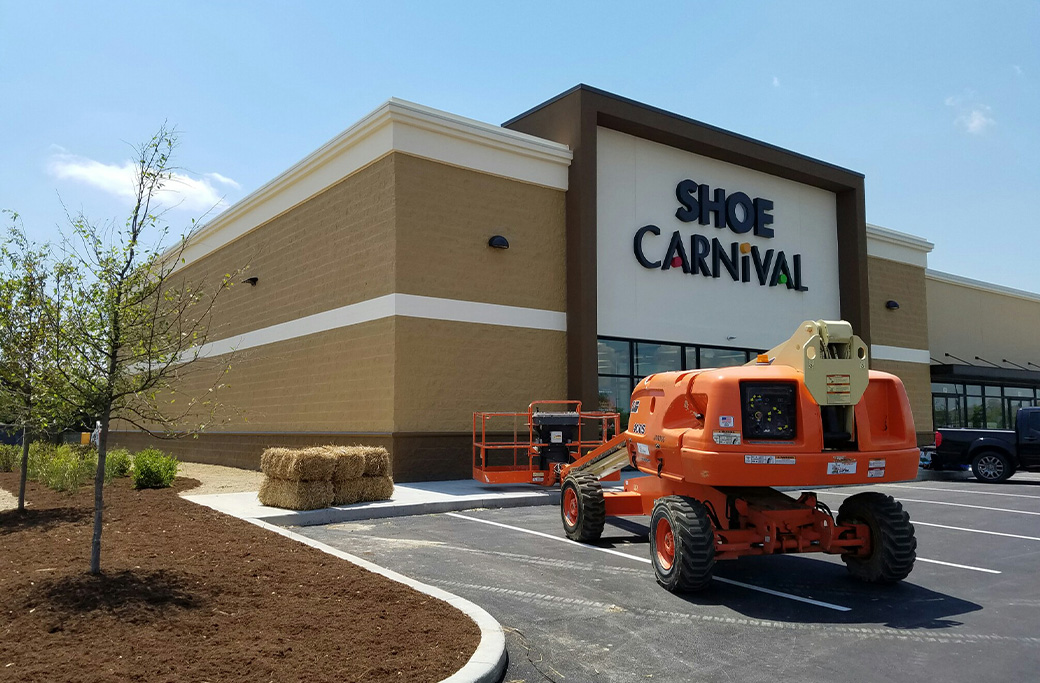
Indiana businesses trust Indiana Painting Company because we understand the specific demands of local commercial properties. We bring over two decades of expertise to every job, servicing offices, retail centers, industrial parks, schools, churches, and auto dealerships across Central Indiana.
We utilize highly durable coatings specifically designed to combat unpredictable Midwest weather. Our team works with your schedule, offering flexible evening and weekend hours to minimize disruptions to your business. We stand behind our work, offering an industry-leading 7-year touch-up inclusive warranty on commercial exteriors and a 3-year warranty for interior projects.
How Often Should Commercial Buildings Be Repainted in Indiana?
There is no one-size-fits-all schedule for commercial painting. Offices generally benefit from a refresh every 5 to 7 years, while high-visibility retail locations often need attention every 3 to 5 years. Industrial and specialized facilities vary widely depending on their unique environmental exposure.
If you are unsure whether your commercial building is due for repainting, Indiana Painting Company can help. We will thoroughly assess your property and recommend a maintenance schedule to match your building type, materials, and exposure conditions. Contact us today to schedule your consultation and secure the long-term health of your facility.
Why Do People Choose
Indiana Painting Company
Professional Residential & Commercial Painters

100% Satisfaction
Your satisfaction is 100% guaranteed on every painting project we complete because we are committed to delivering outstanding craftsmanship and lasting results.

Great Painting Warranty
We warranty our work with a 3-year guarantee on interior painting and a 7-year guarantee on exterior painting.

Fully Insured
We are fully insured and prepared to meet the standards and expectations of even the most particular clients, ensuring confidence in every project.

Background Check
To ensure your peace of mind, we perform comprehensive background checks and drug screenings on every employee before they ever set foot on your property.