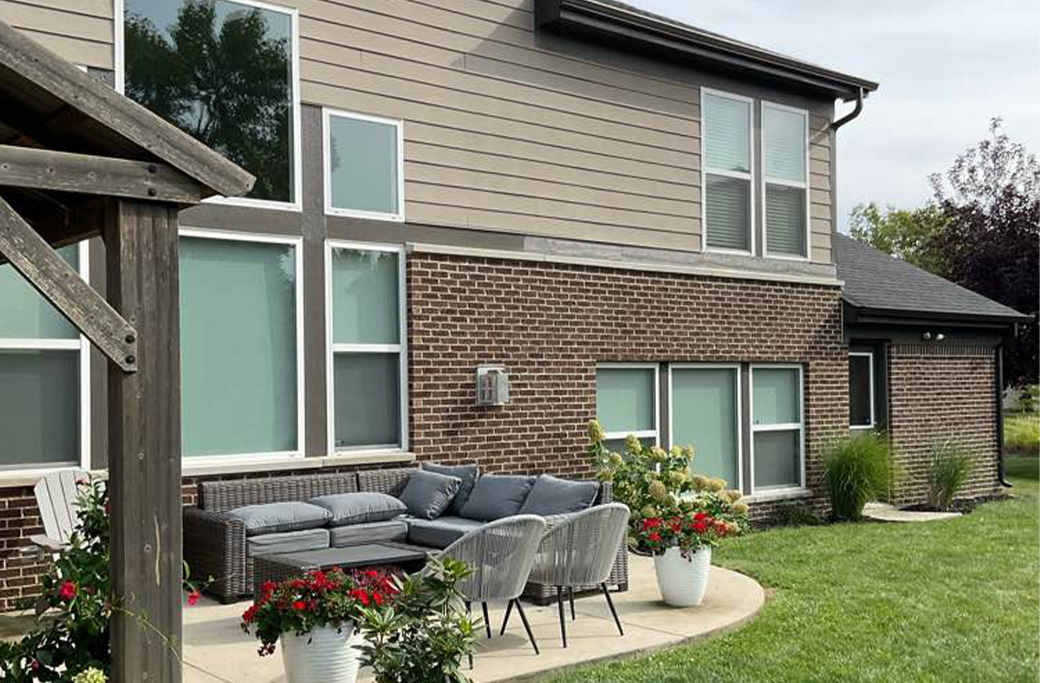
Quick Answer: The best time to paint a house in Indiana is late spring through early fall, when temperatures consistently stay between 50°F and 85°F. Homeowners should avoid periods of heavy rain, high humidity swings, and any risk of freezing temperatures. Since Indiana weather can shift quickly due to freeze-thaw cycles and seasonal extremes, timing plays a major role in how long your exterior paint will last. For a deeper breakdown of costs, preparation, and best practices, see our complete guide to Exterior House Painting in Indiana.
Your home’s exterior is constantly exposed to the Midwest climate, making it essential to apply paint under the right conditions. Siding naturally expands in summer heat and contracts during cold winters, and paint must be able to bond and cure during a stable weather window to perform properly.
When paint is applied in unfavorable conditions, such as high humidity, cold temperatures, or impending rain, it may not cure correctly. This can lead to premature peeling, cracking, fading, and long-term moisture damage.
By understanding Indiana’s seasonal weather patterns, homeowners can better plan exterior painting projects for durability and long-term protection. This guide explains exactly when professional painters recommend scheduling your project for the best possible results.
Best Season for Exterior Painting in Indiana
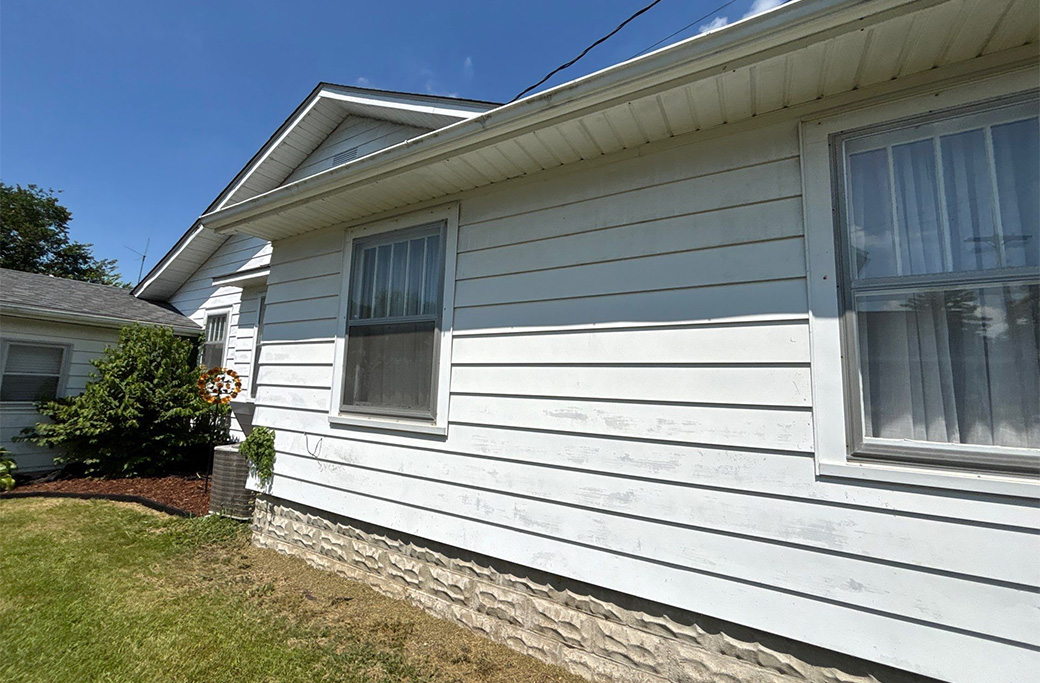
The painting season in Indiana typically runs from April through November, depending on annual weather patterns. However, the most reliable seasons break down into specific windows of opportunity.
Late Spring (May–June): This marks the ideal start of the painting season. The threat of overnight freezing has usually passed, and daytime temperatures remain comfortable.
Summer (June–August): This is the peak painting season. The weather provides plenty of warm, dry days. Painters simply need to monitor extreme heat waves or sudden spikes in humidity, which can affect drying times.
Early Fall (September–October): Many professionals consider early fall the absolute best time for exterior painting. The combination of warm days, cool nights, and low humidity creates perfect conditions for paint to cure smoothly.
Winter (November–February): Winter is not recommended for exterior painting. Freezing temperatures halt the chemical curing process of the paint. Applying paint in cold weather causes immediate failure once temperatures rise.
Why Timing Matters So Much in Indiana
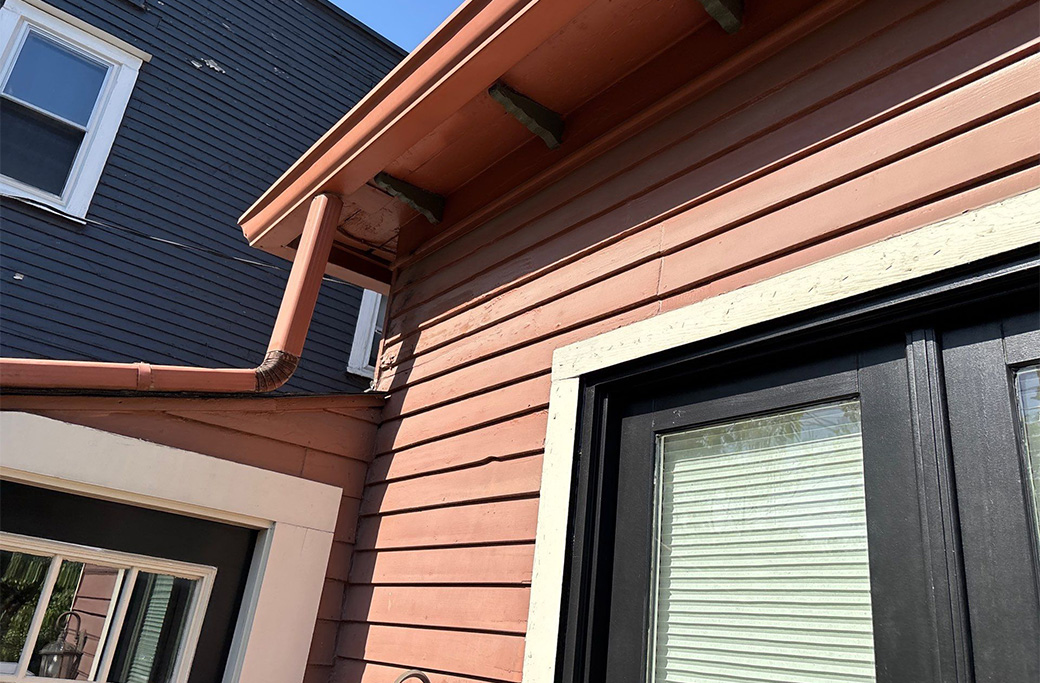
Applying paint is a chemical process that requires specific conditions to work correctly. If you choose the wrong week, you might soon be researching Why Exterior Paint Peels in Indiana.
Cold weather prevents paint from adhering to the siding. If the temperature drops below the manufacturer’s recommended minimum, the paint will sit on the surface without bonding. Conversely, high humidity slows down the drying process. When there is too much moisture in the air, the water inside water-based acrylic paints cannot evaporate properly.
Rain interruptions pose another major threat. If rain hits freshly applied paint before it has time to skin over, the water will wash the coating away or leave permanent streaks. Furthermore, building materials like wood and fiber cement expand and contract based on temperature and moisture. Painting during stable weather ensures the siding is in a neutral state, allowing the coating to seal the joints effectively.
What Are the Ideal Weather Conditions for Exterior Painting?
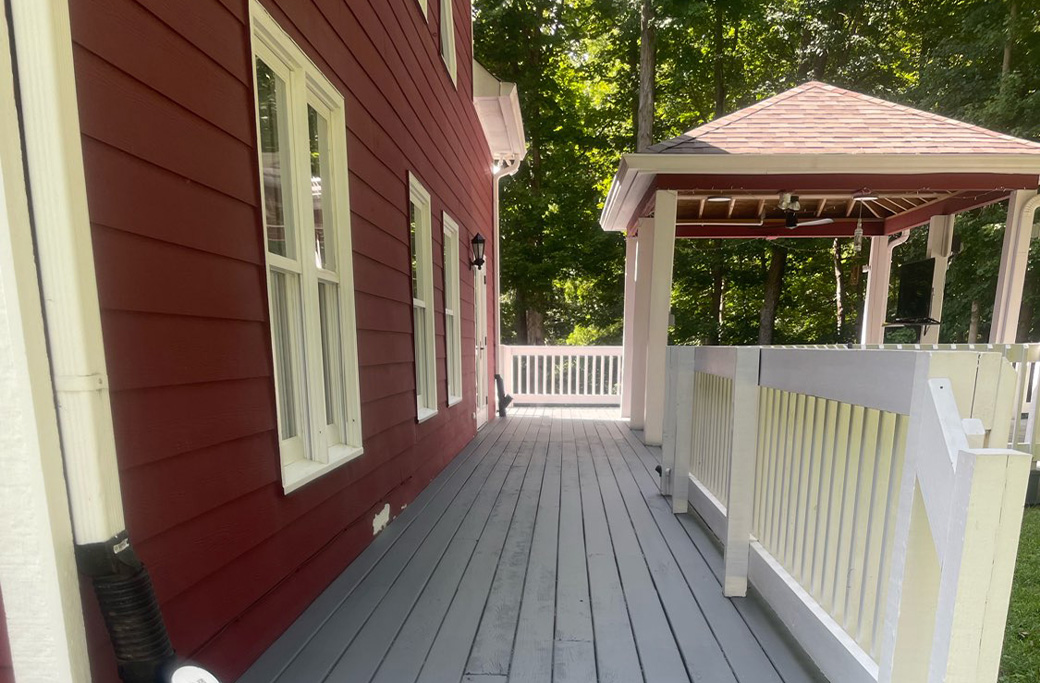
What is the best temperature range?
The optimal temperature range for exterior painting falls between 50°F and 85°F. You should avoid extreme fluctuations. Depending on the specific premium product used, dipping below 40°F or climbing above 90°F compromises the paint’s integrity.
How do humidity levels affect paint?
High humidity delays the curing process. When the air is already saturated with water, the moisture in the paint struggles to evaporate. This prolonged wet state increases the risk of blistering, poor adhesion, and trapped moisture beneath the surface.
Why are dry weather windows necessary?
Professional painters need a 24- to 48-hour dry weather window to complete a section properly. The surface must be entirely dry before applying primer or paint. Following application, the coating requires enough dry time to cure before the next rain shower arrives. Thorough weather planning prevents costly washouts.
What Is the Month-by-Month Painting Guide for Indiana?
March–April
The weather remains too cold and unpredictable for reliable exterior painting. These months serve best as a prep season to plan your project, collect estimates, and finalize color choices.
May–June
Prime painting season officially begins. Temperatures stabilize, and the risk of overnight freezing disappears. This provides an excellent window for achieving a flawless finish.
July–August
These months offer great painting conditions, but crews must watch for heat waves and humidity spikes. Painting in direct, intense sunlight can cause the paint to dry too rapidly, leading to brush marks or blistering.
September–October
Early fall provides excellent conditions. Humidity drops, and temperatures remain moderate. This serves as the last major window to secure a high-quality paint job before the cold weather returns.
November–February
Exterior painting is strongly discouraged during these months. The risk of paint failure is too high due to freezing temperatures and persistent moisture.
When Is the Best Time to Paint Based on Home Siding Material?
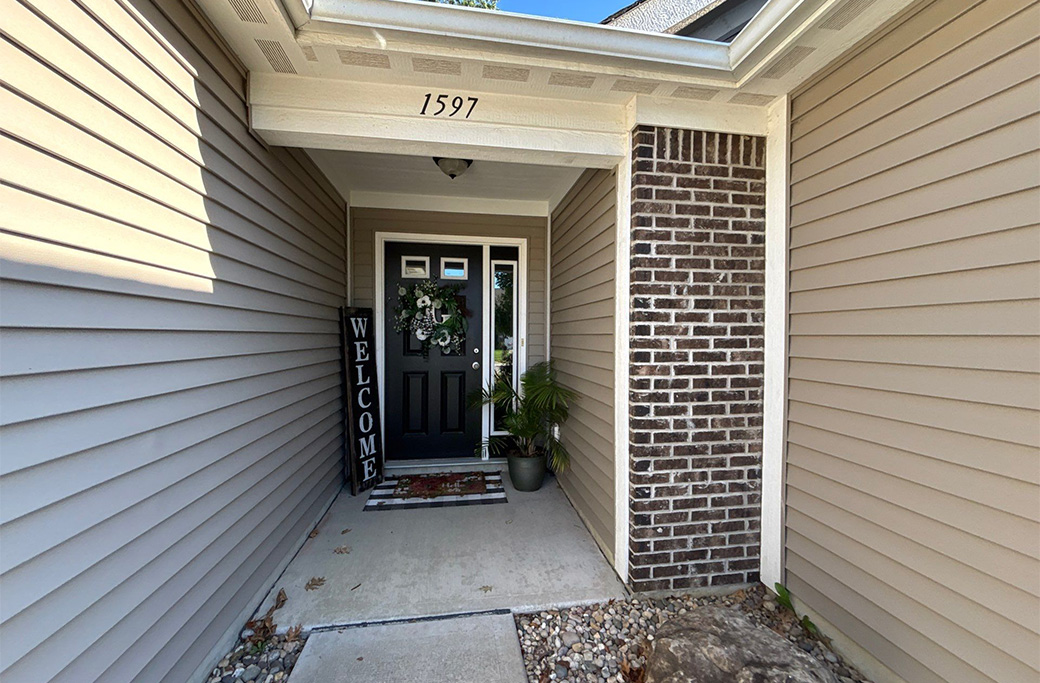
Different exterior materials react differently to weather conditions. If you are wondering How Often Should You Repaint a House?, the answer depends heavily on your siding type and the weather during application.
Wood Siding
Wood acts like a sponge. It absorbs moisture from the air and expands. Wood siding requires highly stable, dry conditions before painting. If you paint damp wood, the trapped moisture will eventually force the paint to peel.
Vinyl and Fiber Cement
These materials offer more flexibility than wood, but they still rely on weather-dependent conditions. Vinyl can warp if painted with dark colors during peak summer heat. Fiber cement holds paint beautifully but still requires dry, moderate temperatures for proper adhesion.
Brick (Painted Brick)
Painting porous masonry requires extra dry time. The brick must be completely devoid of internal moisture before applying a specialized masonry coating or lime wash. Fall provides the best low-humidity environment for brick painting.
What Are the Signs It’s the Right Time to Schedule Painting?
You know it is the right time to schedule your project when the forecast aligns with a few key indicators. Look for a consistent temperature forecast between 50°F and 85°F. You also need a stretch of days with a very low probability of rain. Verify that there is no risk of overnight freezing. Finally, ensure your home’s exterior surface is completely dry and clean after professional pressure washing.
What Common Timing Mistakes Do Homeowners Make?
Homeowners often rush into projects without considering the environmental factors. Painting too early in the spring puts the fresh coat at risk of unexpected overnight temperature drops. Painting during humid summer spikes traps moisture in the paint film.
Another frequent mistake involves ignoring overnight temperature drops in the late fall. Even if the daytime temperature reaches 60°F, a sudden drop to 35°F at night will ruin the curing process. Starting a project too late in the fall often leads to rushed work and compromised quality.
Why Hire a Professional Exterior Painter in Indiana?
Attempting to time the weather perfectly while managing a large-scale exterior project causes immense stress. Professional painters bring weather tracking expertise to the table. Companies like Indiana Painting Company utilize scheduling flexibility to match your project with the optimal weather window.
Professionals also complete projects much faster. A trained crew can finish an entire house in just a few days, capturing small windows of perfect weather. They also understand proper surface preparation timing, ensuring the siding is perfectly dry before applying premium products like PPG Permanizer or Benjamin Moore exterior paints.
How Does Proper Timing Affect Paint Longevity?
Timing directly impacts your return on investment. Poor timing leads to a shorter lifespan for the paint, requiring you to repeat the process years earlier than expected. Proper timing guarantees better adhesion and durability, which extends the paint life by several years. To understand how this investment breaks down, review our guide on Exterior Painting Costs in Indiana.
Best Time to Paint a House in Indiana: Weather, Timing & Tips
Maximizing the lifespan of your home’s exterior relies on professional execution and perfect timing. Securing a spot on the schedule during the peak seasons of spring, summer, or early fall ensures your home receives the durable protection it needs.
Ready to transform your home? Start by reading our ultimate homeowner guide on Exterior House Painting in Indiana. If you are ready to move forward, request your free estimate today.
We proudly provide dedicated residential exterior painting services across Central Indiana.