When you decide to paint your home’s exterior, you’re likely focused on choosing the perfect color. However, did you know that the weather on painting day is just as important as the shade you select? Many homeowners are surprised to learn that temperature, humidity, and even overnight lows can make or break a new paint job.
Here in central Indiana, our weather can be unpredictable, especially with the unique challenges that come with each season. A beautiful, sunny day might seem perfect for painting, but if temperatures drop too low at night, you could be facing problems down the road. As a professional Indiana painting company with over 25 years of experience, we know that timing and using the right products are key to a beautiful, long-lasting finish.
At Indiana Painting Company, we will walk you through why the exterior painting temperature is so vital, what the ideal conditions are, and how we ensure every project we undertake is set up for success.
Why Temperature Matters for Exterior Paint
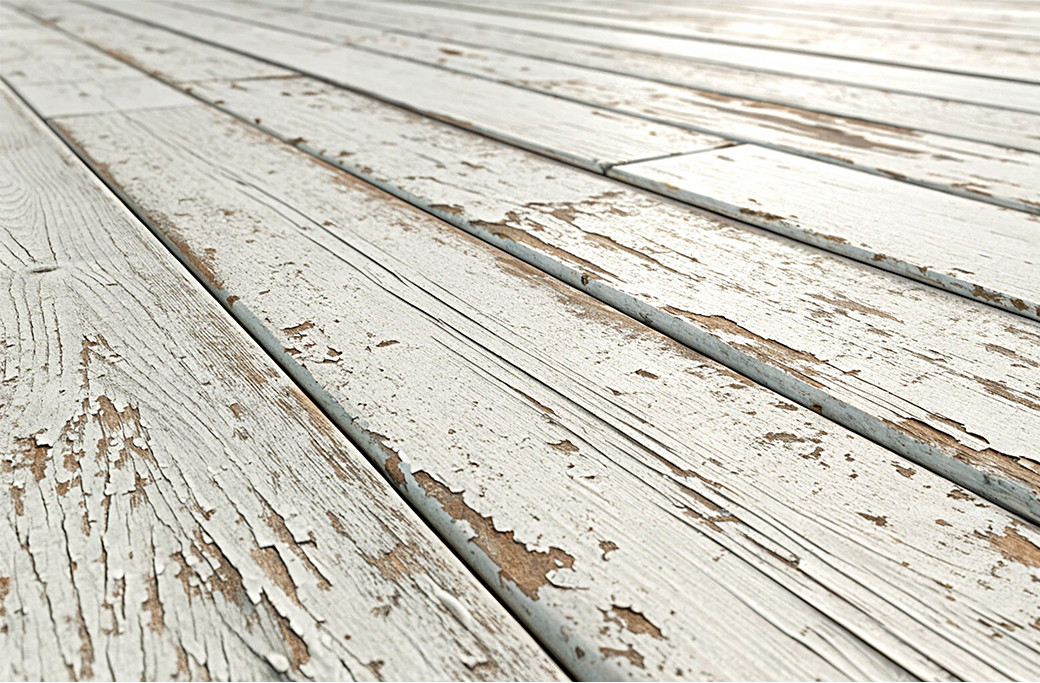
Paint is more than just colored liquid; it’s a chemical product designed to form a protective film. This process, known as curing, allows the paint to dry evenly, adhere correctly, and create a durable barrier against the elements. When paint is applied in the wrong temperature, this delicate chemical process is disrupted.
Even the highest-quality paint, like the Sherwin-Williams and Benjamin Moore products we use, will fail if applied in improper conditions. Here’s what can go wrong:
-
- Poor Adhesion: If it’s too cold, the paint can’t form a strong bond with the surface. This leads to the paint failing to stick properly, which is a recipe for future peeling and chipping.
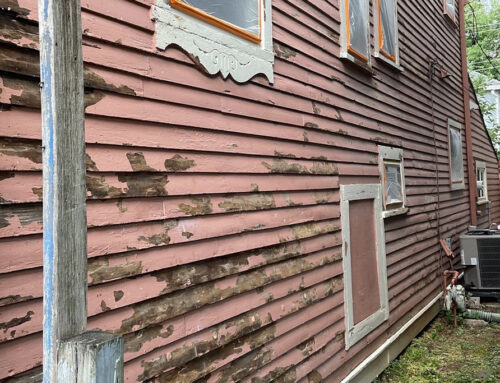
- Cracking and Peeling: Temperature fluctuations cause surfaces to expand and contract. If the paint hasn’t cured correctly, it can’t move with the surface, causing it to crack and peel away.
- Uneven Sheen: Paint that dries too quickly in the heat or too slowly in the cold can result in a blotchy, inconsistent finish.
- Premature Fading: A weakened paint film is more susceptible to UV damage, which causes colors to fade much faster than they should.
Achieving the best paint adhesion starts with applying paint within its recommended temperature range, ensuring your investment is protected for years to come.
Ideal Temperature Range for Exterior Painting
So, what is the magic number for painting your home’s exterior? While it varies slightly by product, there are some industry standards that guide professional painters.
General Industry Standards
Most exterior latex and acrylic paints perform best when the air and surface temperatures are between 50°F and 85°F. This moderate temperature zone allows the paint to flow smoothly for an even application and supports the proper drying and curing process. Within this range, the paint has enough time to level out before it starts to dry, preventing unsightly brush or roller marks.
Importance of Overnight Lows
A common mistake is only looking at the daytime high. The temperature needs to remain above a certain threshold for several hours after application for the paint to cure. If the temperature drops below 35–40°F overnight, the water in latex paint can freeze, ruining the paint’s film and adhesion. This is why a perfect 70°F day can still be a bad day for painting if a cold front is moving in.
Temperature Fluctuations
Indiana is known for its temperature swings. A 30-degree difference between the daytime high and nighttime low can put stress on a fresh coat of paint. Stable weather is often more important than a single perfect temperature reading. We look for consistent weather patterns to ensure the paint has the best possible environment to cure properly.
How Winter Weather Affects Exterior Painting
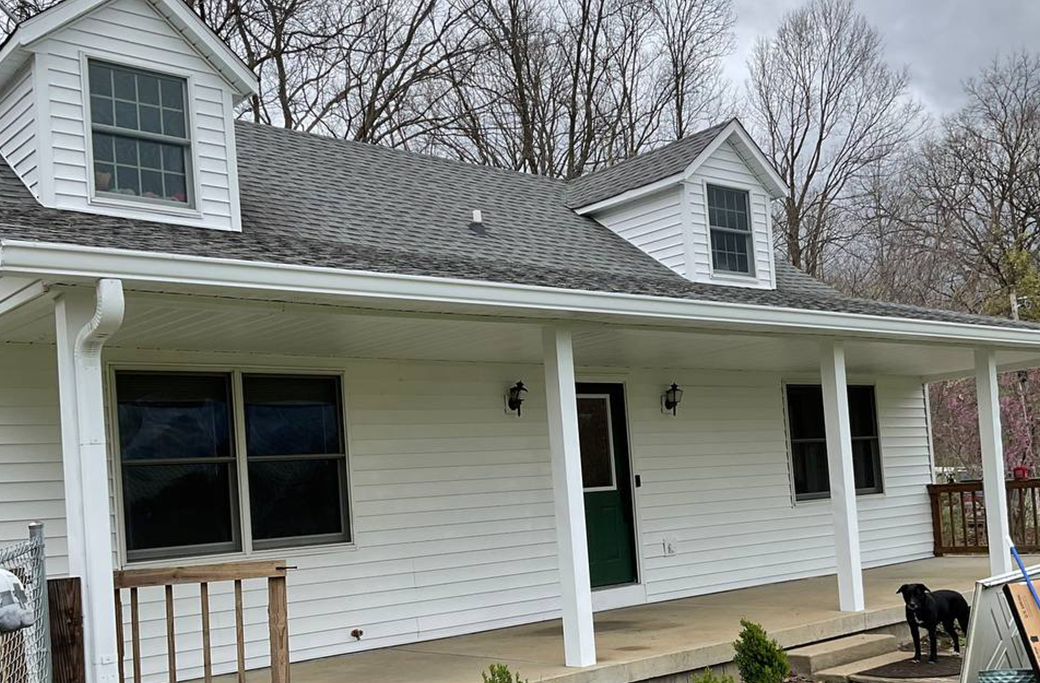
With our Indiana winters, homeowners often ask if exterior painting is even possible. While challenging, it’s not always out of the question.
Challenges of Cold Weather Painting
Painting in the cold presents several risks:
-
- Slower Dry Times: Cold temperatures significantly slow down the curing process, leaving the paint wet for longer and vulnerable to collecting dust and debris.
- Moisture Issues: Morning dew and frost are common in colder months. Painting over a damp surface is a guarantee for paint failure, as the moisture gets trapped and prevents adhesion.
- Reduced Adhesion: Cold surfaces make it difficult for paint to form a strong bond, increasing the likelihood of peeling.
When Winter Painting Is Possible
In some cases, exterior work can be done safely during winter. We look for windows of opportunity, such as extended dry spells, midday warm-ups that bring surface temperatures into a safe range, and focusing on surfaces that receive direct sunlight.
Low-Temperature Paints
Modern paint technology has come a long way. There are now specialty paints, like Sherwin-Williams’ Resilience® or Benjamin Moore’s Aura® Exterior, that are formulated to cure at temperatures as low as 35°F. At Indiana Painting Company, we use these advanced products when conditions demand it, allowing us to extend the painting season while still delivering the durable, high-quality finish our clients expect.
Risks of Painting in High Temperatures
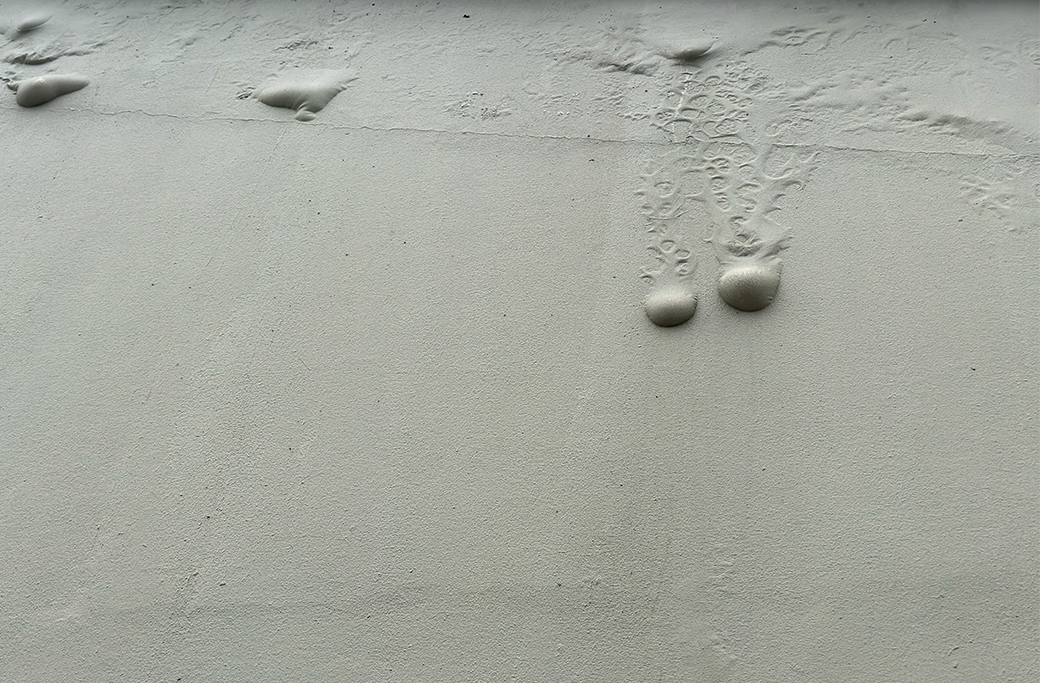
Just as cold is an issue, extreme heat can also ruin an exterior paint job. This is something for homeowners to keep in mind when planning spring and summer projects.
-
- Paint Drying Too Quickly: When it’s too hot, the paint can dry almost as soon as it’s applied. This prevents it from leveling out, leading to visible brush and roller marks.
- Blistering: If the surface is hot, the paint’s top layer can dry before the solvents underneath have evaporated. This traps the solvents, which then form bubbles or blisters as they try to escape.
- Weakened Paint Film: Paint that cures too fast doesn’t have time to form the strong, interlocking film needed for long-term durability.
Tips for Homeowners: Is It the Right Day to Paint?
If you’re considering a DIY project, here’s how to tell if you’ve got the right conditions:
-
- Check the extended forecast, not just the day’s high. Look for a stable 2-3 day window.
- Avoid windy days, which can cause paint to dry too fast, and humid days, which slow drying.
- Check the surface temperature. A surface in direct sunlight can be 10-15 degrees hotter than the air temperature.
- When in doubt, call a professional. A quick evaluation can save you from a costly mistake.
How Indiana Painting Company Schedules for Best Results
As a leading Indiana painting company, we don’t just work around the weather, we work with it. Our team meticulously monitors the forecast, surface temperatures, humidity levels, and dew point to ensure every project is done right. We’re committed to delivering long-lasting results, which means we will pause or reschedule work if conditions aren’t optimal. Your investment is our priority, and we refuse to cut corners.
Why Winter Is the Perfect Time to Plan
While exterior painting slows down in the coldest months, it’s the perfect time to plan your spring project. By booking your estimate and scheduling your project early, you get ahead of the spring rush and secure a spot on our calendar. Early planning gives you priority scheduling, allows us to complete prep work in advance, and ensures your home is first in line when the perfect painting weather arrives.
Best Temperature for Exterior Painting: A Homeowner’s Guide
Don’t leave your home’s protection and curb appeal to chance. Trust the experts who understand Indiana’s weather and are committed to excellence. Want your home painted right the first time? Contact Indiana Painting Company today for a free, no-obligation estimate and get on the schedule for a beautiful, weather-smart paint job.