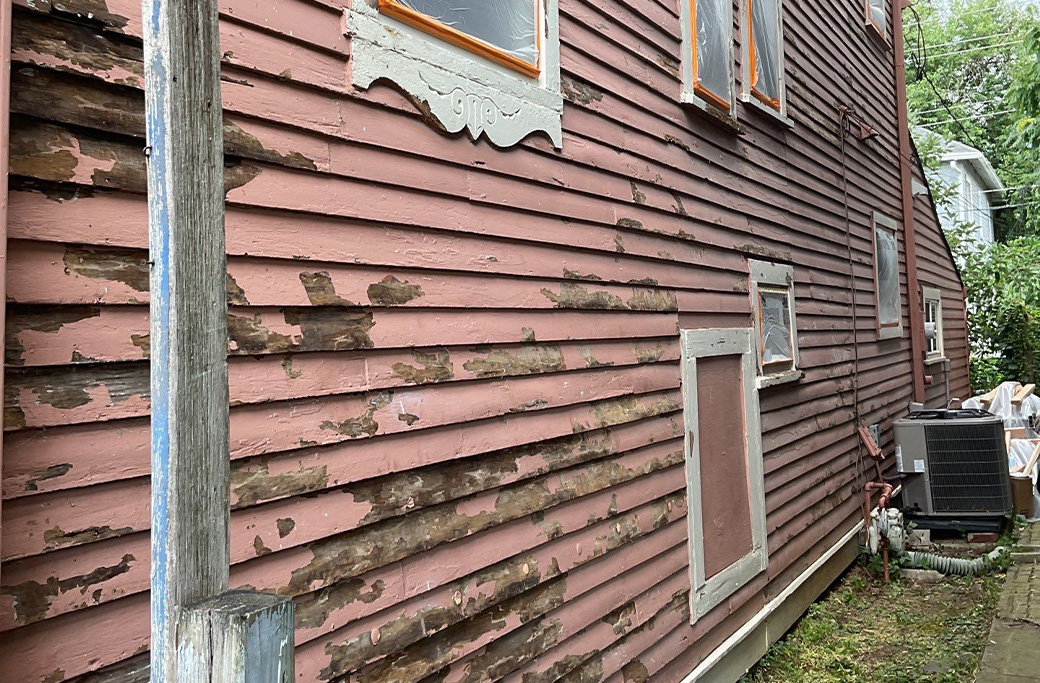
We have all been there. You finally find the time to tackle that exterior painting project, only to look at the forecast and see temperatures plummeting or skyrocketing. It’s tempting to push through and get the job done, but weather conditions play a massive role in the success of your paint job.
Paint is a chemical compound that relies on evaporation and bonding to form a durable protective layer. When temperatures swing too far in either direction, that chemical process gets interrupted. The result isn’t just an ugly finish. It’s often a complete failure of the paint system that requires expensive repairs down the road.
At Indiana Painting Company, we have seen firsthand what the elements can do to a fresh coat of paint. We will break down exactly what happens when you paint in extreme temperatures and how to ensure your home looks beautiful regardless of the season.
Risks of Painting in Cold Weather
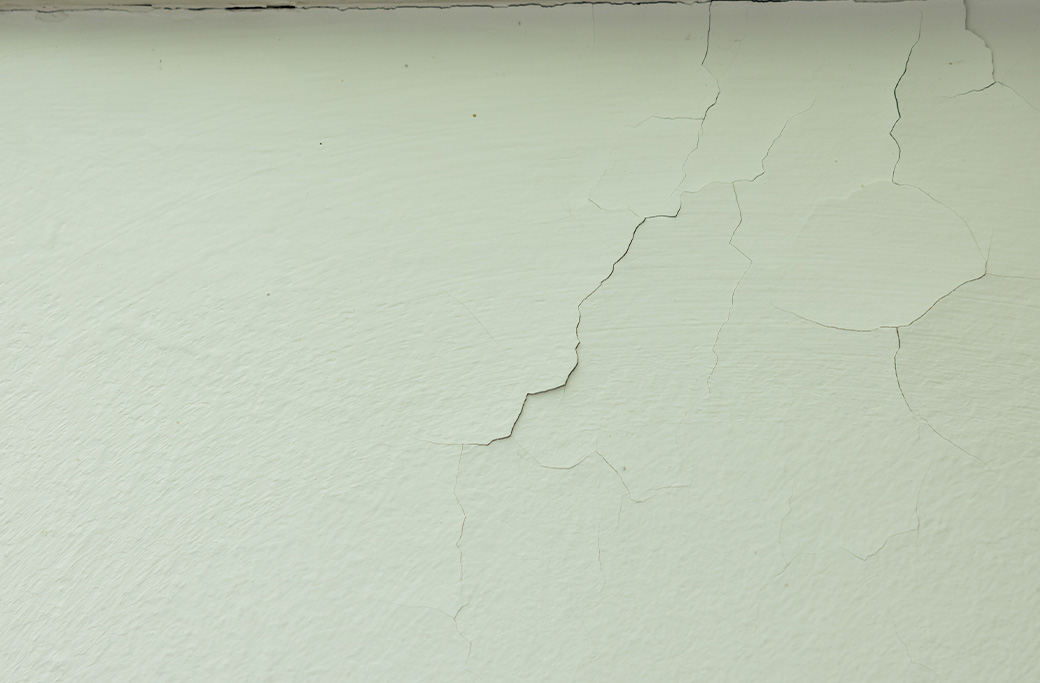
Cold weather is deceptive. It might look sunny and clear, but if the thermometer drops too low, your paint is in trouble. Most water-based paints (latex and acrylic) rely on the evaporation of water to cure properly. When it’s cold, this process slows down significantly or stops altogether.
Compromised Adhesion
The primary issue with cold weather painting is poor adhesion. If the surface is too cold, the paint thickens and becomes viscous. Instead of biting into the substrate (the wood, stucco, or siding), the paint sits on top like a film. Eventually, this leads to early failure where sheets of paint peel off the wall.
Cracking and Peeling
As paint dries, it shrinks. In proper conditions, this shrinking is uniform and controlled. In freezing temperatures, the top layer of paint might dry while the layer underneath remains wet. This uneven tension causes the surface to crack, often resembling a spiderweb or an alligator’s skin. Once these cracks appear, moisture can get behind the paint, leading to inevitable peeling.
Extended Drying Times
In ideal conditions, a coat of paint might dry to the touch in a few hours. In cold weather, that same coat could remain wet for days. This extended open time leaves your wet walls vulnerable to dirt, debris, insects, and sudden rain or snow showers that can wash the finish right off.
Risks of Painting in Hot Weather
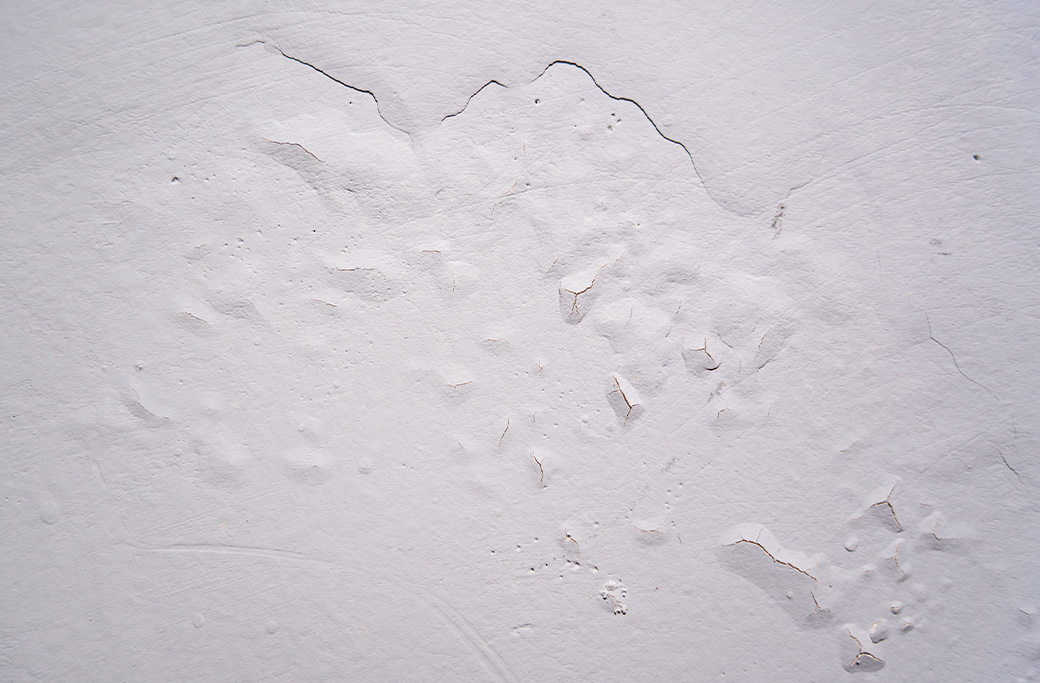
On the other end of the spectrum, painting when it is scorching hot presents a completely different set of challenges. While you might think heat helps paint dry faster (which is true), drying too fast is disastrous for durability.
Blistering and Bubbling
When paint is applied to a hot surface, the solvents evaporate almost instantly. This rapid evaporation traps vapors underneath the skin of the paint, causing unsightly bubbles or blisters. These blisters eventually pop and peel, leaving your home’s exterior exposed to the elements.
Uneven Drying and Lap Marks
Professional painters work with a “wet edge” to ensure a seamless finish. In high heat, the paint dries so quickly that maintaining this wet edge becomes impossible. This results in visible lap marks (darker or thicker stripes where layers of paint overlapped and dried unevenly). The final look is patchy and amateurish rather than smooth and uniform.
Application Challenges
Direct sunlight is the enemy of fresh paint. If you are painting a wall that has been baking in the sun all day, the surface temperature can be 10 to 20 degrees hotter than the air temperature. This causes the paint to seize up on the brush or roller, making it difficult to spread evenly and leading to a clumpy, textured finish.
Ideal Temperature Conditions for Painting
So, what is the “Goldilocks” zone for painting? While specific formulations vary by manufacturer, there are general guidelines to follow for optimal performance.
Recommended Ranges
For most water-based (latex) paints, the ideal temperature range is between 50°F and 85°F. Oil-based paints are slightly more forgiving in cooler weather but still struggle below 40°F.
Air vs. Surface Temperature
It is essential to remember that air temperature and surface temperature are not always the same. A wall in direct sunlight can be scalding hot even on a mild day, while a shaded north-facing wall might remain too cold to paint until the afternoon. Professional painters always measure the surface temperature before unsealing a can.
Timing is Key
To stay within the safe zone, timing your work is essential:
-
- Spring/Fall: Paint between 10:00 AM and 3:00 PM to allow the morning dew to evaporate and give the paint time to cure before temperatures drop at night.
- Summer: Chase the shade. Start on the west side of the house in the morning and move to the east side in the afternoon to avoid direct sun exposure.
Preparing Surfaces in Less-Than-Ideal Conditions
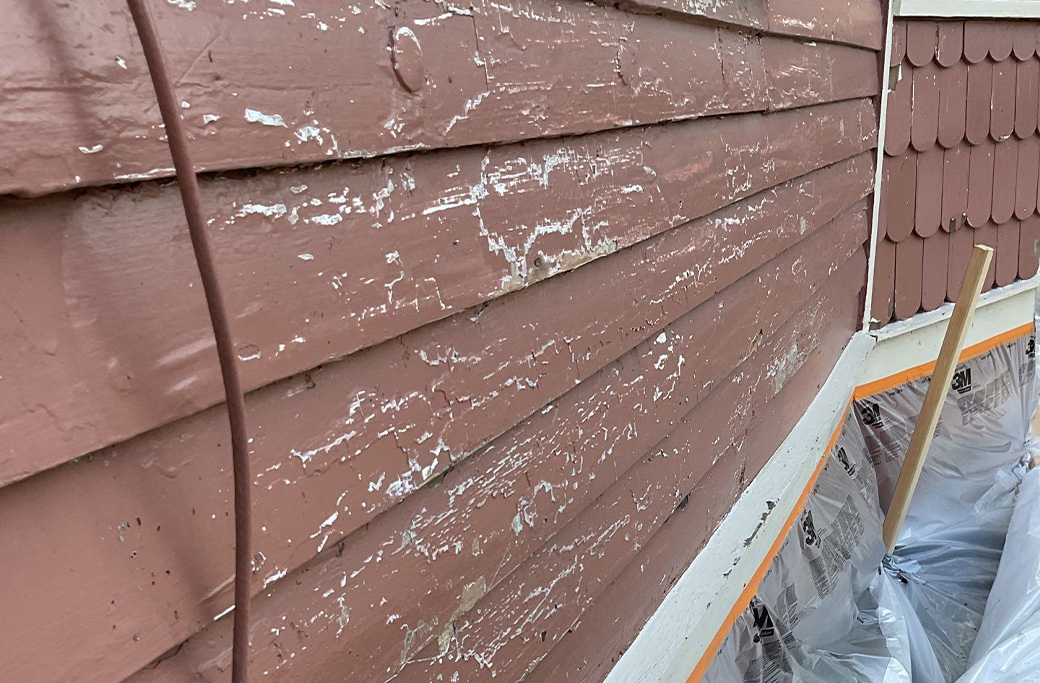
Sometimes, you cannot wait for perfect weather. If you must paint during borderline conditions, preparation becomes even more vital
Cleaning and Priming
A clean surface promotes better adhesion, which is vital when the weather is fighting against you. Power wash surfaces to remove chalkiness and grime. Using a high-quality bonding primer acts as an insurance policy, creating a sticky bridge between the substrate and your topcoat.
Additives and Conditioners
For cold weather, specialized low-temperature additives can be mixed into the paint to help it cure in temps as low as 35°F. Conversely, in hot weather, paint conditioners slow down the drying time, helping to eliminate brush marks and maintain a wet edge.
Solutions for Extreme Weather Painting
While DIY solutions exist, navigating the chemical complexities of paint in extreme weather is best left to professionals. At Indiana Painting Company, we understand the unpredictable nature of Midwest weather.
We don’t just guess when it comes to quality; we rely on science-backed methods. Using tools like infrared thermometers to check surface temperatures and moisture meters to ensure substrates are dry, we prepare your home for lasting results. Our specialized paint formulations are carefully chosen to withstand Central Indiana’s unique climate, offering protection no matter the weather.
Here are our top exterior paint options:
-
- PPG Acri-Shield Exterior: A trusted classic with decades of proven performance. This product consistently outperforms comparable alternatives, making it a favorite of ours.
- PPG Permanizer: A standout from the Porter legacy, this paint is so reliable that PPG kept it in their lineup. We highly recommend it!
- Behr Marquee: A newer option for us, but based on feedback, it’s a solid choice for long-lasting exterior performance.
- Benjamin Moore Regal Select Exterior: Known for its durability, this is a go-to for upscale residential and commercial projects. A true workhorse we confidently stand behind.
- Romabio Paint: A unique mineral-based paint that breathes and improves with age. These Italian-made products combine timeless charm and modern durability.
For commercial projects or tight deadlines, we even create climate-controlled environments with containment systems and heaters, ensuring flawless results, even in the middle of winter.
Why Choose Indiana Painting Company?
You deserve a contractor who respects your property and delivers results that last. At Indiana Painting Company, we have proudly served Central Indiana for over 25 years.
Our Commitment to Quality
We don’t ask for a dime until you are satisfied. We never collect a down payment, because we believe our work speaks for itself. Our commitment to excellence is backed by our “Great Painting Warranty”—a 3-year warranty for interior work and a 7-year warranty for exterior work.
Peace of Mind
Inviting contractors into your home requires trust. That is why we perform comprehensive background checks and drug screenings on every employee before they step foot on your property. You get a dedicated, professional team focused on your project, not a random crew of subcontractors.
Award-Winning Service
With over 90 reviews and a 4.9-star rating, our clients agree: we remove the headache from painting. Whether it is residential or commercial, we handle everything with precision and care.
What Happens If You Paint Your House When It’s Too Cold or Too Hot?
Ignoring the thermometer when painting is a recipe for disaster. Whether it is the cracking caused by a freeze or the blistering caused by a heatwave, the weather dictates the quality of your finish. By respecting recommended temperature ranges and prepping correctly, you can avoid costly do-overs.
However, the safest bet is to trust the professionals who know exactly how to handle the elements. If you are ready to transform your home without worrying about the weather, contact us today.
Ready to get started? Book your free estimate online or call us at (317) 961-6320.