As winter’s grip loosens and the first hints of milder weather arrive, most homeowners in Indiana start dreaming of green lawns and blooming gardens. But if you’ve been eyeing your home’s exterior and noticing faded siding or peeling trim, there’s another project you should be planning right now: your spring painting refresh.
While it might seem counterintuitive to think about exterior painting while there’s still a chill in the air, late winter is actually the ideal time to start the process. Indiana’s freeze-thaw cycles can wreak havoc on your home’s exterior materials, and addressing these issues early prevents minor damage from turning into costly repairs. By planning ahead, you ensure your home is ready for a transformation the moment the weather breaks.
At Indiana Painting Company, we’ve spent over 25 years helping homeowners navigate the specific challenges of our local climate. We know that a beautiful, long-lasting finish starts well before the first can of paint is opened. Learn how to prepare your home for spring exterior painting to schedule early, avoid delays, and enjoy a stunning, durable exterior all season long.
Why Early Preparation Matters
Many homeowners wait until the sun is shining and the birds are chirping to call a painter. Unfortunately, by that time, most reputable painting companies are already booking out weeks or even months in advance. Spring is the busiest season for exterior home improvement, and schedules fill up incredibly fast.
Beyond securing a spot on the calendar, early preparation directly impacts the quality of the final result. Proper prep work (cleaning, repairing, and priming) is the foundation of paint adhesion. Rushing this stage because you started late often leads to premature peeling and fading. By starting your planning in late winter, you give yourself the time to make deliberate decisions about repairs and colors without the pressure of a looming deadline.
Inspect Your Home’s Exterior During Winter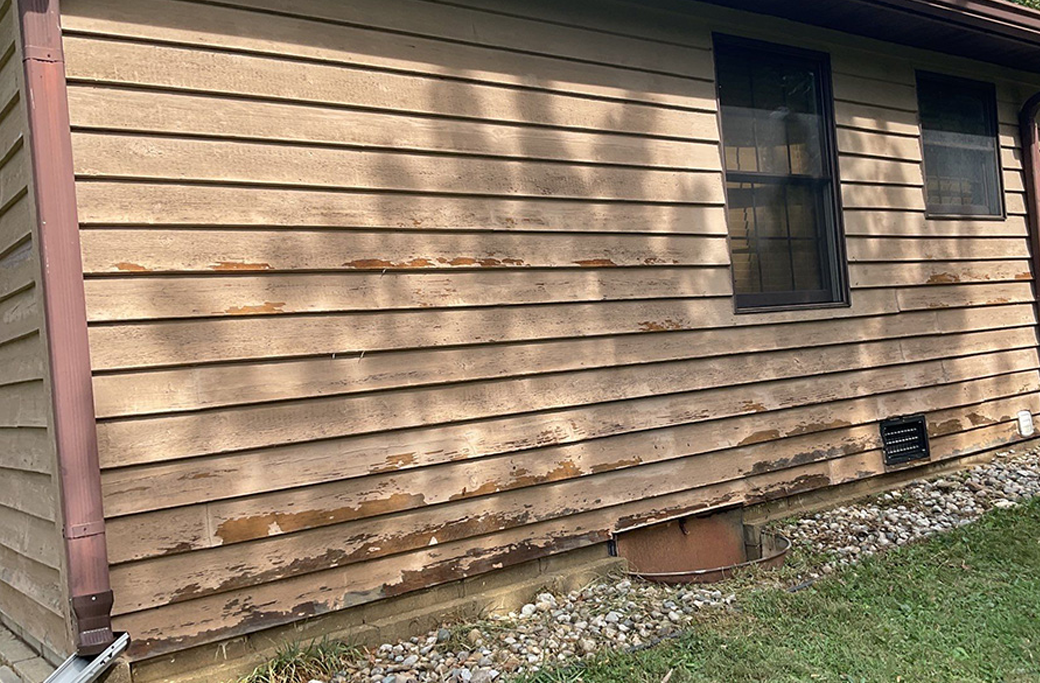
You don’t need to wait for 60-degree days to assess the condition of your home. On a dry winter day, take a walk around your property and look for signs of wear and tear. Catching these issues now allows you to budget for necessary repairs before painting begins.
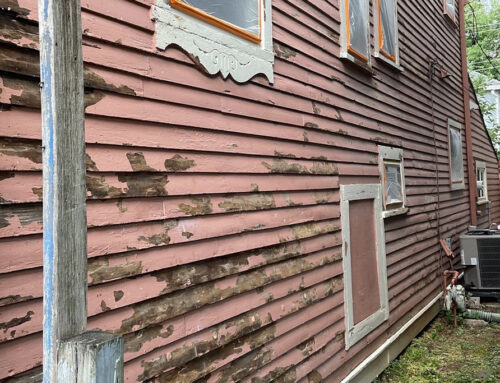
Look for Visible Paint Damage
The most obvious signs that your home needs attention are related to the existing paint film. Keep an eye out for:
-
- Peeling, cracking, or bubbling: These indicate that the current paint bond has failed, allowing moisture to get underneath.
- Fading or chalking: If your vibrant siding now looks dull or leaves a powdery residue when you touch it, the protective coating is breaking down.
- Bare spots: Any exposed wood or siding material is vulnerable to the elements and needs immediate protection.
Check for Surface Issues
Paint is only as good as the surface it covers. Look closely at the structure itself:
-
- Rotting or soft wood: Poke suspect areas on trim or fascia boards. If the wood feels spongy, it likely needs to be replaced, not just painted over.
- Cracks in siding: Freeze-thaw cycles can cause siding materials to expand and contract, leading to hairline cracks that let water in.
- Failed caulking: Check around windows and doors. If the caulk is pulling away or missing, you have potential air leaks and water entry points.
Make Necessary Repairs Before Painting Season
It is tempting to think that a thick coat of premium paint will hide structural imperfections, but the opposite is true. Paint often highlights flaws, and painting over damaged wood traps moisture inside, accelerating rot.
To ensure your investment lasts, tackle these repairs before the painting crew arrives:
-
- Wood Replacement: Replace any rotted fascia, soffits, or trim. Fresh lumber holds paint significantly better than compromised wood.
- Caulking: Sealing gaps and seams prevents moisture intrusion, which is the leading cause of paint failure.
- Siding Repairs: Fix loose or damaged boards to create a uniform surface.
Taking care of these “heavy lifting” tasks in the early spring means that when the weather is warm enough to paint, the focus can be entirely on application and finish.
Clean Exterior Surfaces Early
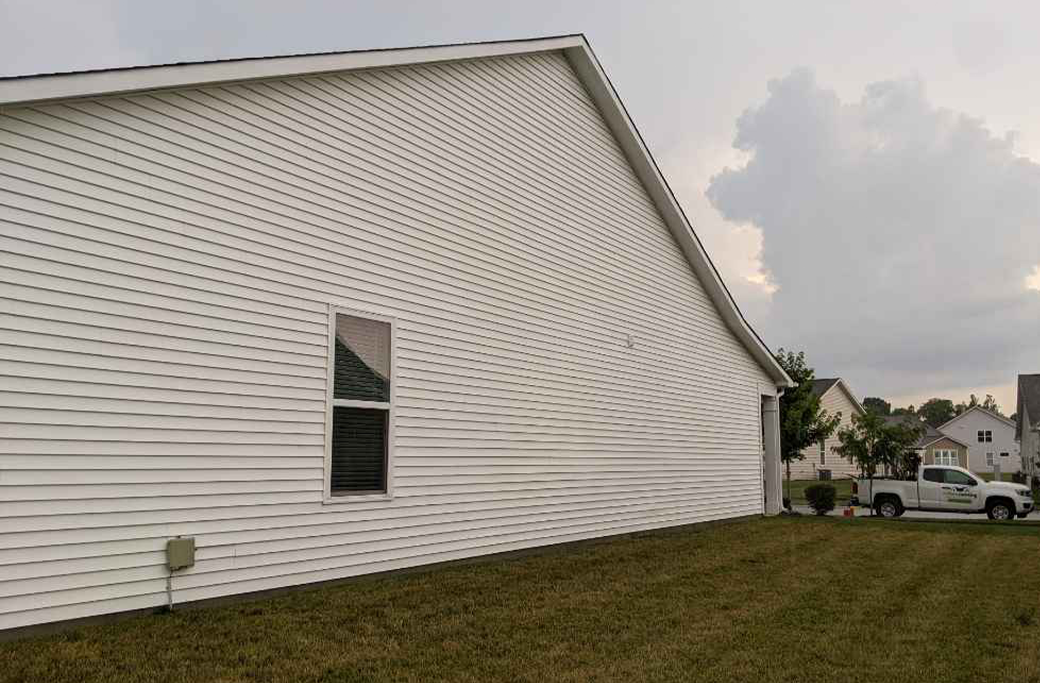
Over the winter, your home accumulates a layer of dirt, grime, and mildew. In Indiana, we also deal with residue from road salts and pollutants. If paint is applied over this layer, it won’t adhere to the siding—it will adhere to the dirt, leading to rapid peeling.
We recommend a professional cleaning to remove these contaminants. Whether using pressure washing for durable surfaces or soft washing for more delicate siding, the goal is a pristine substrate. Cleaning early in the season is beneficial because it allows the siding ample time to dry out completely. Trapped moisture is the enemy of a long-lasting paint job, so giving your home a few days (or weeks) to air out after washing ensures the best possible bond.
Choose Your Paint Colors and Finishes Ahead of Time
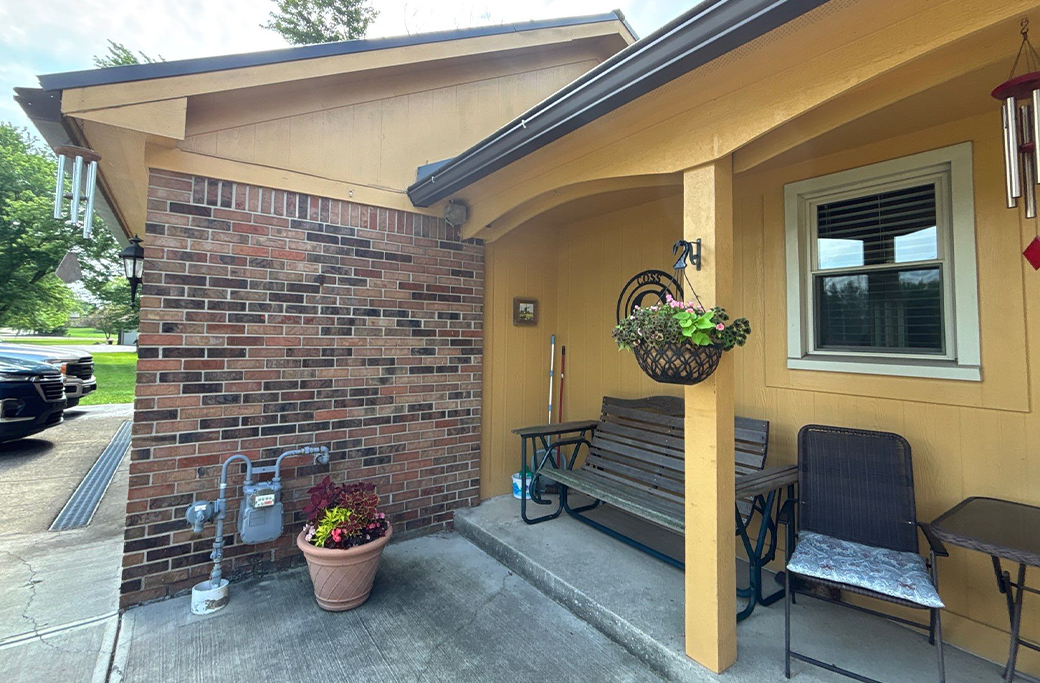
Winter is the perfect time to handle the fun part of the project: color selection. Without the pressure of a crew waiting in your driveway, you can take your time testing samples and considering how different shades look in the changing light.
When planning your palette, consider these factors:
-
- Neighborhood Aesthetics: You want your home to stand out for the right reasons. Look at surrounding homes to ensure your choice complements the neighborhood vibe without clashing.
- Sun Exposure: Dark colors absorb more heat and tend to fade faster on walls facing the direct afternoon sun. Lighter shades are more reflective and often hold their color longer.
- Trim and Accents: Don’t forget the details. Choosing the right contrast color for shutters, doors, and trim can completely change the architectural feel of your house.
If you are struggling to visualize the final look, a professional color consultation can be invaluable. We help homeowners navigate trends versus timeless choices to find a look they will love for years.
Understand the Best Timing for Spring Exterior Painting in Indiana
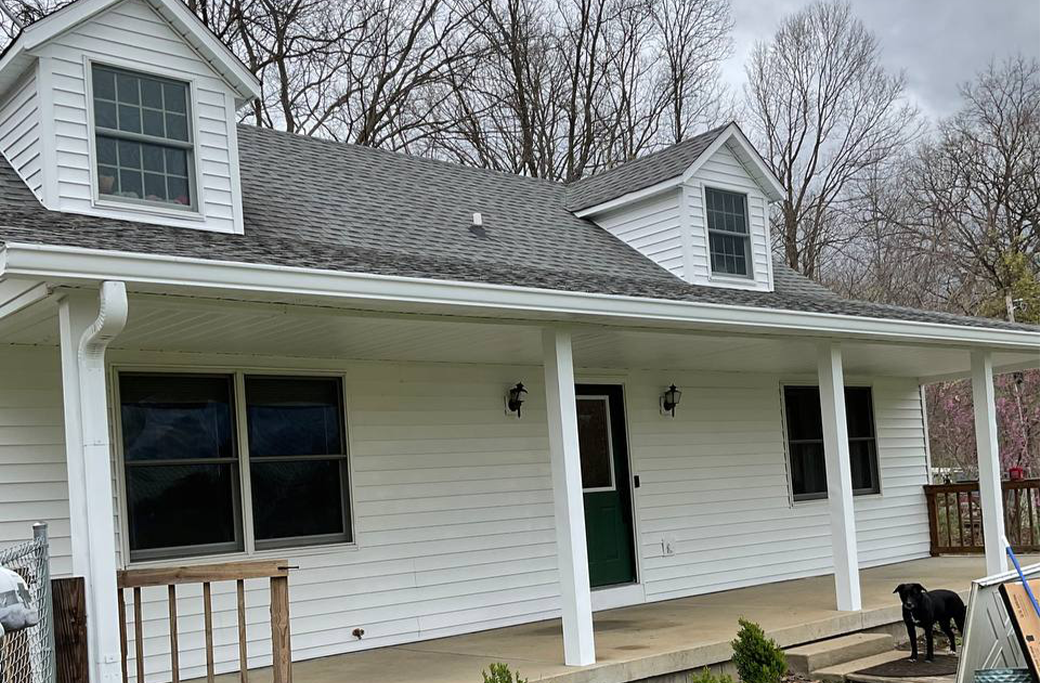
Painting in Indiana requires a respect for Mother Nature. While we all want to get started on the first sunny Saturday in March, temperature plays a large role in how paint cures.
Most high-quality exterior paints, like the Benjamin Moore Regal Select Exterior or PPG Permanizer products we use, have minimum application temperatures (usually around 35–50°F). However, it is not just the daytime high that matters; overnight lows are equally important. If the temperature drops below freezing the night after painting, the curing process can stop, ruining the finish.
At Indiana Painting Company, we constantly monitor weather patterns. We won’t start a job unless we are confident the conditions will yield a durable, flawless result. Patience during the volatile spring weather pays off in longevity.
Schedule Your Professional Painter Early
The “early bird catches the worm” adage is never truer than in the home improvement industry. By contacting a professional painter in late winter or very early spring, you gain several advantages:
-
- Priority Booking: You get first pick of the prime dates that work for your schedule.
- Flexible Timing: If you have a specific deadline (like a graduation party or putting the house on the market), booking early ensures you meet it.
- Avoiding Delays: Waiting until May to call often means waiting until August for an opening.
When you request an estimate, look for detail. A professional proposal should outline the prep work, the specific products to be used, and the timeline. This transparency ensures there are no surprises down the road.
How Indiana Painting Company Helps Homeowners Prepare
We know that preparing your home for painting can feel like a daunting list of chores. That is why Indiana Painting Company offers a comprehensive service that goes beyond just applying color.
When you work with us, you get a partner in the process. We conduct professional inspections to identify the repairs you might miss. We recommend and use high-performance products specifically designed to withstand Indiana weather. Most importantly, we are committed to doing the job right, not just fast. From our detailed prep work to our 7-year exterior painting warranty, we ensure your home is protected and beautiful.
How to Prepare Your Home for Exterior Painting This Spring
Don’t let the spring rush catch you off guard. By starting your preparation now, you ensure a smoother process and a better result for your home’s exterior. Whether you need minor touch-ups or a complete color transformation, the team at Indiana Painting Company is here to help you plan, prep, and paint with confidence.
Get your home spring-ready. Contact Indiana Painting Company today to schedule your free consultation.