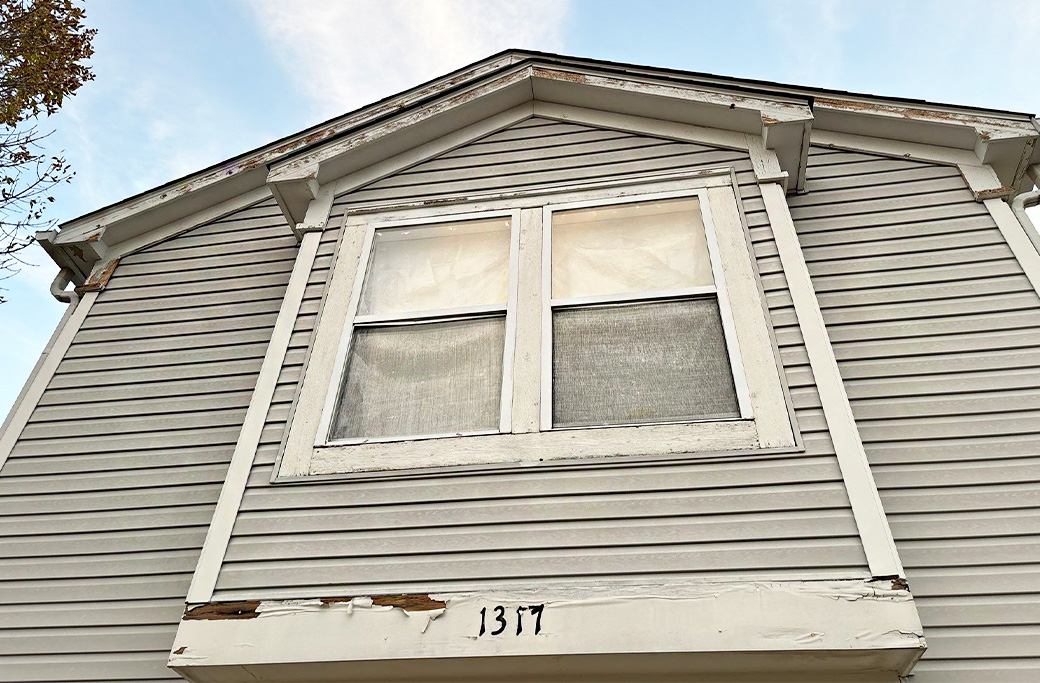
Quick Answer: Waiting too long to repaint your home can allow minor paint deterioration to become a much larger exterior maintenance problem. Peeling, cracking, fading, and exposed siding can eventually allow moisture to penetrate the surface, leading to wood rot, damaged siding, and more expensive repairs. In Indiana, seasonal humidity, rain, UV exposure, and freeze-thaw cycles can accelerate exterior paint failure. Repainting before significant deterioration occurs can help protect your home and reduce long-term maintenance costs.
Your home’s exterior paint does more than improve curb appeal. It creates a protective barrier between your siding and Indiana’s changing weather. Once that coating begins to fail, the siding underneath becomes increasingly vulnerable.
If you’re evaluating whether your home is due for a repaint, start with our complete guide to Exterior House Painting in Indiana: Costs, Prep & Homeowner Guide.
What Happens When Exterior Paint Starts to Fail?
Exterior paint typically doesn’t fail all at once. The process usually starts with subtle signs such as fading or chalking and gradually progresses to more serious deterioration.
Common signs include:
-
- Faded or dull color
- Chalky residue on the surface
- Small cracks or splits
- Peeling or flaking paint
- Bubbling or blistering
- Exposed wood or siding
- Cracked or failing caulk around windows and trim
Once paint is no longer providing a continuous protective coating, moisture and weather can begin affecting the surface underneath.
Can Waiting to Repaint Cause Home Damage?
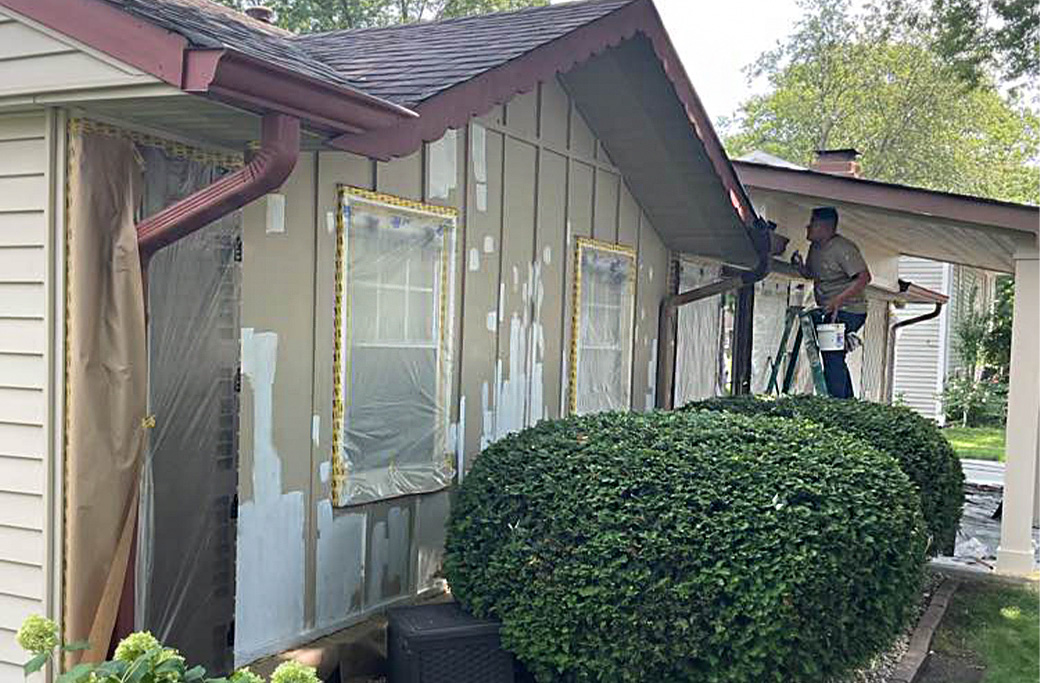
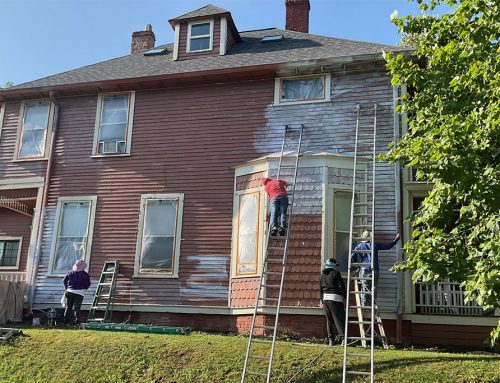
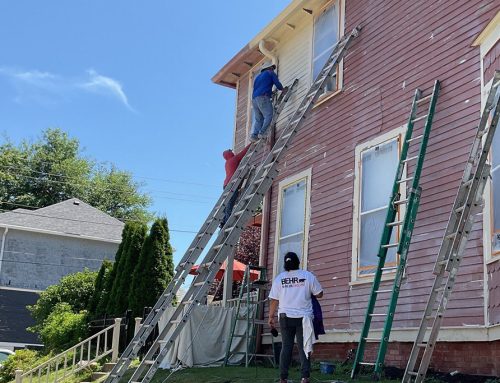
Thorough scraping and sanding remove failing coatings and create a stable surface for a new exterior paint system.
Yes. Waiting too long to repaint can allow water to reach vulnerable siding and trim.
This is particularly important for homes with wood siding or wood trim. Repeated exposure to moisture can contribute to swelling, deterioration, and wood rot. Freeze-thaw cycles can make existing cracks and damaged areas worse as moisture expands and contracts with changing temperatures.
What begins as a paint-maintenance issue can eventually become a siding or carpentry repair.
That doesn’t mean every peeling paint job requires major repairs. The extent of damage depends on how long the paint has been failing, the siding material, and the home’s exposure to moisture.
Does Peeling Paint Mean You Need to Repaint Immediately?
Peeling paint is a strong indication that your exterior needs attention, but the solution isn’t always as simple as applying another coat of paint.
Loose or failing paint generally needs to be removed before new paint can be applied. Depending on the condition of the surface, preparation may include scraping, sanding, cleaning, caulking, and priming.
Painting over failing paint without addressing the underlying problem can lead to continued peeling and a shorter-lived finish.
If you’re unsure whether your home is due for a new paint job, our guide to How Often Should You Repaint Your House in Indiana? can help you understand typical repainting timelines.
How Does Indiana Weather Affect Delayed Repainting?
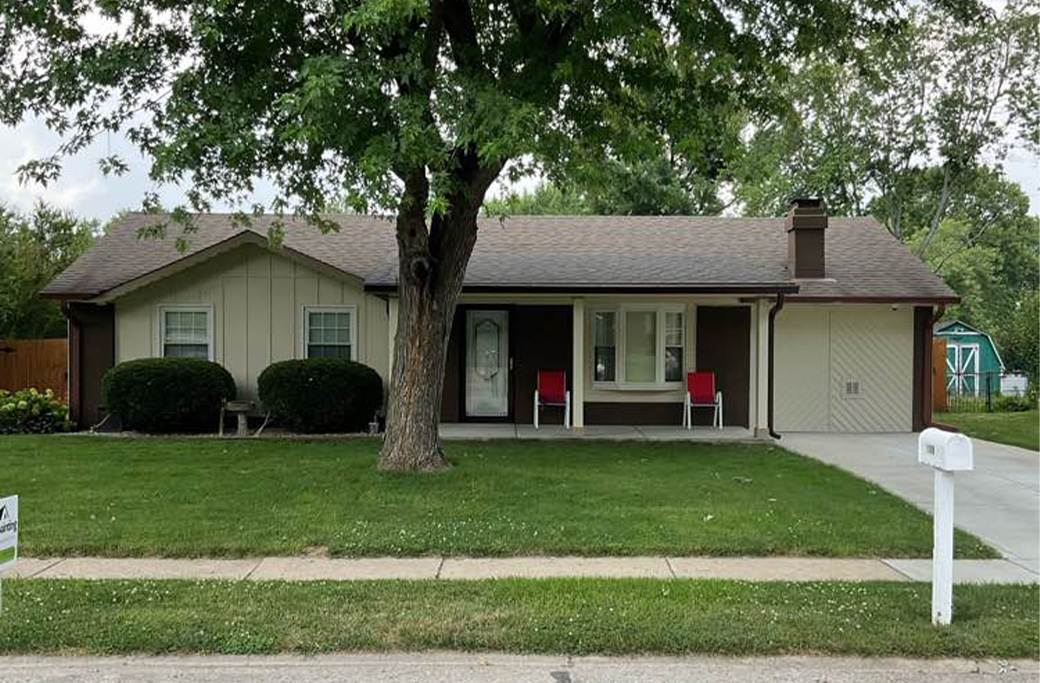
A properly prepared exterior coating helps protect siding from Indiana’s sun, humidity, rain, and seasonal temperature changes.
Indiana’s weather can make exterior deterioration progress faster once the protective coating begins to fail.
Homes experience:
-
- Hot summer temperatures
- High humidity
- Heavy rain
- Strong sunlight
- Winter freezing
- Repeated freeze-thaw cycles
These conditions can cause siding and trim to expand and contract while exposing vulnerable surfaces to moisture.
Learn more about expected paint longevity in How Long Does Exterior Paint Last in Indiana?
Can Waiting to Repaint Make the Project More Expensive?
It can. A home that needs a straightforward repaint may require significantly more preparation if the existing coating has been allowed to deteriorate for too long.
Additional work may include:
-
- Extensive scraping
- Sanding
- Priming bare surfaces
- Replacing damaged wood
- Repairing siding
- Replacing deteriorated caulk
- Additional cleaning and preparation
The longer exterior problems are allowed to develop, the greater the possibility that the project will involve repairs in addition to painting.
For an overview of what different home sizes may cost to paint, see Cost to Paint a House by Size in Indiana.
What Are the Benefits of Repainting Before the Paint Fails?
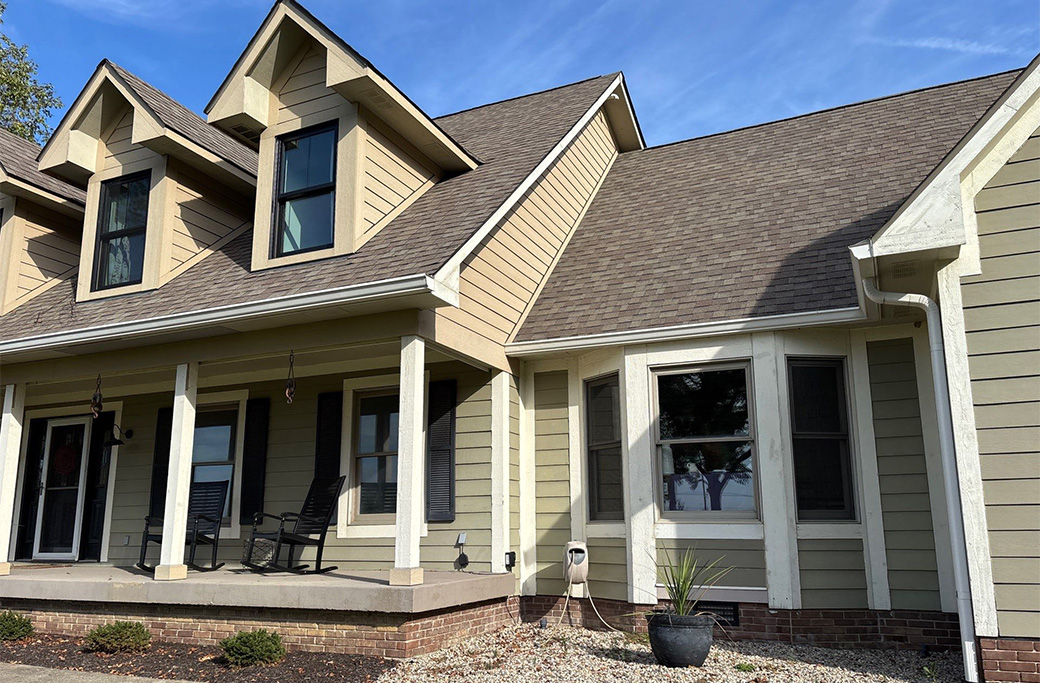
Repainting before widespread failure can help homeowners stay ahead of exterior maintenance.
A timely repaint can:
-
- Protect siding from moisture
- Reduce the risk of wood deterioration
- Improve curb appeal
- Address minor surface problems early
- Extend the life of exterior surfaces
- Make preparation more manageable
Regular maintenance is generally easier and more predictable than waiting until the exterior requires extensive restoration.
When Should You Repaint Your Indiana Home?
There isn’t one exact age that applies to every house. The right timing depends on the siding material, paint quality, weather exposure, previous preparation, and condition of the existing coating.
As a general rule, homeowners should evaluate their exterior when they begin noticing significant fading, chalking, peeling, cracking, or exposed siding rather than waiting for widespread paint failure.
If you’re already seeing multiple warning signs, it may be time to schedule an inspection and determine whether repainting or additional repairs are needed. If you’re weighing whether to tackle the project yourself or hire a professional, learn more about Is Professional House Painting Worth It in Indiana?
Don’t Wait Until a Paint Problem Becomes a Repair Problem
Exterior paint is one of your home’s first lines of defense against Indiana weather. Addressing fading, peeling, cracking, and exposed surfaces before they become widespread can help protect your siding and keep future maintenance more manageable.
If you’re wondering whether your home is ready for a repaint, explore our complete Exterior House Painting in Indiana: Costs, Prep & Homeowner Guide.
When you’re ready to evaluate your home’s exterior, contact Indiana Painting Company for a personalized estimate.